Key Takeaways
- Understanding Agricultural drone batteries is crucial for efficient operations, as they have limited charge cycles and require careful handling.
- Proper battery preparation and temperature management significantly enhance battery longevity and performance during use.
- In-field battery management strategies, like monitoring voltage and using a rotation system, help maintain productivity while protecting your investment.
- Post-flight care and proper storage practices extend the lifespan of Agricultural drone batteries and ensure reliability for future flights.
- Consistent maintenance routines and tracking performance data aid in managing costs and optimizing battery performance for profitable operations.
Imagine you are in the field at dawn, ready to spray a 500-acre corn crop with your agricultural drone. You power it up, and after just a few minutes of flight time, the battery is fully done and will not take a charge. Your whole day’s work plan is ruined. You should know: The performance of your expensive agricultural drone batteries can make or break your spray drone operation.
These sophisticated batteries are the heart of modern aerial precision farming. These aren’t your typical hobby drone batteries – these are serious power systems that need to lift heavy payloads across many acres. Getting the most out of these expensive battery systems means understanding how to use them right and keep them healthy.
I’ve heard stories about operators losing days of productivity because their power system was kaput. The good news is that with some basic know-how and good habits, you can maximize your battery life and keep your operations running smoothly season after season.
Understanding Agricultural Drone Battery Technology
Most large agricultural drones use lithium polymer (LiPo) or lithium-ion batteries. These aren’t like the lead-acid batteries in your tractor – they’re much more powerful but also more finicky. Think of them like a high-performance race car engine versus your reliable farm truck engine.

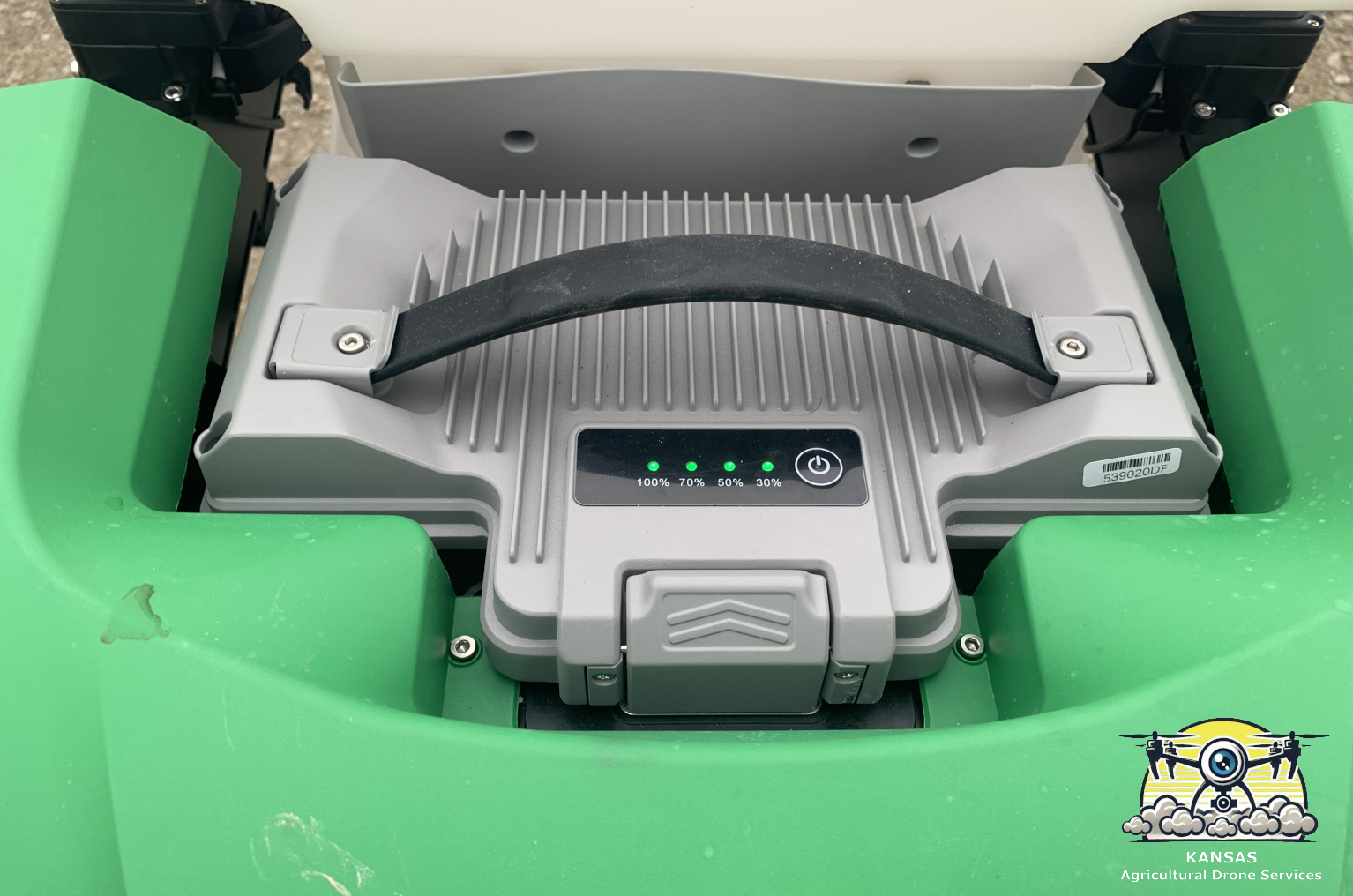
Agricultural drone batteries typically range from 16,000 to over 40,000 mAh (milliamp hours) and can weigh anywhere from 5 to 40 pounds. They’re built to handle the demanding power needs of flying several hundred pounds in stable flight for 10-15 minutes.
The key thing to understand is that these batteries have a limited number of charge cycles – usually between 300-500 full cycles before they start losing significant capacity. Each cycle represents one complete discharge and recharge. This means every time you use your battery, you’re essentially using up part of its lifespan.
Battery Chemistry Basics
LiPo batteries work through the movement of lithium ions between positive and negative electrodes. When you charge the battery, ions move one way. When you discharge it, they move the other way. Over time, this back-and-forth movement causes wear and tear on the internal structure.
Temperature plays a huge role in how well this process works. Too hot, and the chemical reactions speed up in bad ways. Too cold, and the ions move sluggishly, reducing power output. That’s why battery care is so tied to environmental conditions.
There is a Wikipedia page on lithium polymer batteries, for those interested in a deep dive into these amazing energy storage systems.
Pre-Flight Battery Preparation and Safety
You need to prep your batteries properly, as part of your departure to the field. This isn’t just about performance – it’s about safety too. A damaged or improperly handled large agricultural battery can pose serious fire risks.

Start by visually inspecting each battery. Look for any swelling, cracks, or damage to the outer casing. A swollen battery is like a ticking time bomb – it means gas is building up inside, and it could catch fire or explode. If you see any swelling, stop using that battery immediately and dispose of it safely.
Check the voltage of each cell using your drone’s controller or charger. Most agricultural drone batteries have multiple cells (usually 6- to 18-cells), and they should all be within 0.1 volts of each other. If one cell is significantly lower, that battery needs attention before flight. Your controller or charger should alert you.
Temperature Considerations
Never fly with cold batteries. In winter conditions, bring your batteries inside overnight and let them warm to room temperature before use. Cold batteries can lose 20-30% of their capacity and may not provide enough power for safe flight operations.
On hot summer days, avoid leaving batteries in direct sunlight or hot vehicles. The ideal operating temperature is between 60-80°F. Some pilots keep a cooler with ice packs nearby during summer operations to prevent batteries from overheating between flights. Some even have A/D systems or ‘cooling towers’ to help lower the battery temperature.
Balancing and Charging Protocol
Always use the charger specifically designed for your drone battery. These charges employ balance charging ensuring all cells reach the same voltage level, which extends battery life and maintains performance. Never use automotive chargers or cheap generic chargers – they can damage or destroy expensive agricultural drone batteries.
Charge the battery outside or in a place away from flammable materials. Do no leave it unattended during charging. There is a tremendous amount of energy being forced into the battery, and despite the sophisticated monitoring built into quality charges, a damaged cell could react badly during charging.
Charge batteries to 100% only when you’re about to use them. For storage, keep them at about 50-60% charge. Storing batteries at full charge can cause capacity loss over time.
In-Field Battery Management Strategies
Once you’re in the field, smart battery management becomes crucial for maintaining productivity. The goal is to get maximum work done while protecting your investment.
Plan your spray or seeding patterns to minimize battery stress. Avoid aggressive maneuvers, rapid altitude changes, and fighting strong winds when possible. These conditions force the motors to work harder, draining batteries faster and generating more heat.
Monitor battery voltage throughout your flight operations. Some agricultural drones have real-time voltage displays. When individual cells drop below 3.6 volts, it’s time to land and swap batteries. Don’t try to squeeze out those last few minutes – it can permanently damage the battery.
Multiple Battery Rotation
Professional operations typically use a rotation system with at least three battery sets per drone. While one set is in use, another is charging, and the third is either cooling down or being prepared. This rotation prevents overworking any single battery set and maintains continuous operations.
Keep detailed logs of battery performance. Note flight times, payload weights, weather conditions, and any performance issues. This data helps you identify batteries that are starting to degrade before they fail completely.
You may also want to consider flight logging services that extract information from your flight logs, such as battery performance which allows the pilot to spot trouble early. I’ve had great success evaluating battery performance using Airdata. Check with whomever you plan to use for flight logs and see if they can read the logfiles produced by your drone and produce battery analytics.
Environmental Adaptations
Wind conditions significantly impact battery life. Headwinds can reduce flight time by 30% or more as the drone works harder to maintain position and speed. Depending on your load and intent, you may not fly at all when it is steady breezes or outright windy, just watch out for gusts during calm weather
Humidity and dust also affect battery performance. High humidity can cause condensation issues, while dust can clog cooling vents and cause overheating. Be aware of the impact and monitor your battery conditions during flight.
Post-Flight Battery Care and Storage
What you do with your batteries after flight is just as important as pre-flight preparation. Proper post-flight care can significantly extend battery lifespan and ensure reliable performance for future operations.
After landing, let batteries cool before handling or charging. Hot batteries are more prone to damage and can be dangerous to handle. Never charge a hot battery – wait until it reaches ambient temperature.
Agricultural operations can expose batteries to fertilizers and pesticides that may be corrosive over time. Clean the battery exterior with a dry cloth to remove dust, debris, or chemical residue. Avoid getting moisture into any connections or vents.
Storage Best Practices
For short-term storage (less than a week), you can store batteries at any charge level in a cool, dry place. For longer storage, discharge batteries to about 50-60% capacity. This storage charge level minimizes chemical degradation while maintaining enough power to keep the battery management system active. Some “smart” batteries may discharge themselves after a certain number of days.
Store batteries in fireproof containers or battery bunkers, especially during off-season storage. Agricultural operations often involve flammable materials, and a battery fire can spread quickly. The FAA’s drone regulations include guidance on safe battery storage practices for commercial operations.
Check stored batteries monthly and recharge them to storage levels if needed. Batteries that sit too long at low charge can enter deep discharge, which may make them unrecoverable.
Transportation Safety
When moving batteries between fields or storing them in vehicles, use proper battery cases, even foam padding. Vibration and impacts can damage internal components. Never transport damaged or swollen batteries – the risk isn’t worth it.
Troubleshooting Common Battery Issues
Even with perfect care, you’ll eventually encounter battery problems. Knowing how to diagnose and address common issues can save you time and money while keeping your operations running.
The most common complaint is reduced flight time. If a battery that used to give you 10 minutes now only lasts 8 minutes, it’s likely experiencing capacity loss. This is normal aging, but premature capacity loss can indicate problems with charging practices or storage conditions.
Cell imbalance is another frequent issue. If your battery checker shows one or more cells significantly lower than others, the battery needs re-balancing. Some chargers may be able to condition and rebalance batteries to restore proper cell voltages.
Performance Monitoring
Keep track of key performance indicators for each battery. Record the initial capacity when new, current flight times under standard conditions, and any voltage irregularities. This data helps you identify patterns and plan for battery replacements.
Sudden voltage drops during flight often indicate internal damage or cell failure. If a battery shows erratic voltage jumps, remove it from service immediately. Internal shorts can cause fires or explosions.
When to Replace Batteries
Generally, replace batteries when they reach 80% of their original capacity or show significant cell imbalance that can’t be corrected. In agricultural operations, this typically happens after 2-3 seasons of heavy use.
Don’t wait until batteries fail completely. Degraded batteries can damage your drone’s power system and leave you stranded mid-operation. Plan battery replacements during off-season when you can take advantage of incentive pricing and ensure continuity for the next growing season.
Maximizing Battery Lifespan and Performance
Getting the most value from your battery investment requires consistent attention to best practices and understanding how usage patterns affect longevity. Professional agricultural operations can achieve 400-500 charge cycles with proper care, while poor practices might limit batteries to 200-300 cycles.
Temperature management is the single most important factor for battery longevity. Extreme heat accelerates chemical breakdown, while extreme cold reduces capacity and can cause permanent damage. Investing in climate-controlled storage for your batteries pays dividends in extended lifespan.
Avoid deep discharges whenever possible. Each time you run a battery below 20% capacity, you’re shortening its overall lifespan. Plan your operations to land with 25-30% charge remaining, and size your battery collection to support this practice. Three batteries is the practical minimum.
Advanced Monitoring Systems
Consider investing in battery management systems that provide detailed data logging and analysis. These systems can track cycle counts, identify degrading batteries early, and optimize charging protocols for your specific usage patterns.

Most Ag drone operations use the provided smart charging stations that automatically adjust charging rates based on battery condition and environmental factors. ALWAYS use the proper charger. They can significantly extend battery life and reduce replacement costs.
Seasonal Maintenance Routines
Develop structured maintenance schedules tied to your farming seasons. Before planting season, perform comprehensive battery testing and replace any marginal units. Mid-season, focus on cleaning and performance monitoring. Post-harvest, prepare batteries for storage with proper charge levels and climate control.
Document all maintenance activities and battery performance data. This information helps with warranty claims, replacement planning, and identifying optimal operational practices for your specific conditions and equipment.
Cost Management and ROI Considerations
Agricultural drone batteries represent a significant operational expense, typically costing $1500 – $4000 each depending on capacity and technology. Understanding the total cost of ownership helps optimize your investment and budget for replacements.
Calculate your cost per flight hour by dividing total battery cost by expected flight hours over the battery’s lifespan. A $1200 battery that provides 300 hours of flight time costs $4 per hour to operate. Extending battery life through proper care directly improves this metric.
Factor in productivity losses from battery failures when evaluating care practices. Missing a critical fungicide application because of battery problems can cost far more than the price of proper storage equipment or replacement batteries.
You may wish to maintain 25-30% more battery capacity than is strictly needed for a three-battery set up. This provides operational flexibility and reduces stress on individual batteries. This approach requires higher initial investment but typically results in lower long-term costs and improved reliability.
The careful use and maintenance of agricultural drone batteries isn’t just about following manufacturer guidelines – it’s about understanding your specific operational needs and developing practices that maximize both performance and value. With proper care, your battery investment will support profitable operations for years to come.
Industry experts predict continued growth in agricultural drone adoption, making knowledge of Ag battery management increasingly valuable, especially for young folks dipping their toes into the industry. Illustrating the information included in this post may help you win your next job. Or prevent you from harming your client’s crop.
I can help my own clients develop a battery management practice to extend equipment life and improve operational efficiency. Whether you’re just starting with agricultural drone technology or wish to optimize existing operations, proper battery care is foundational to success.