Key Takeaways
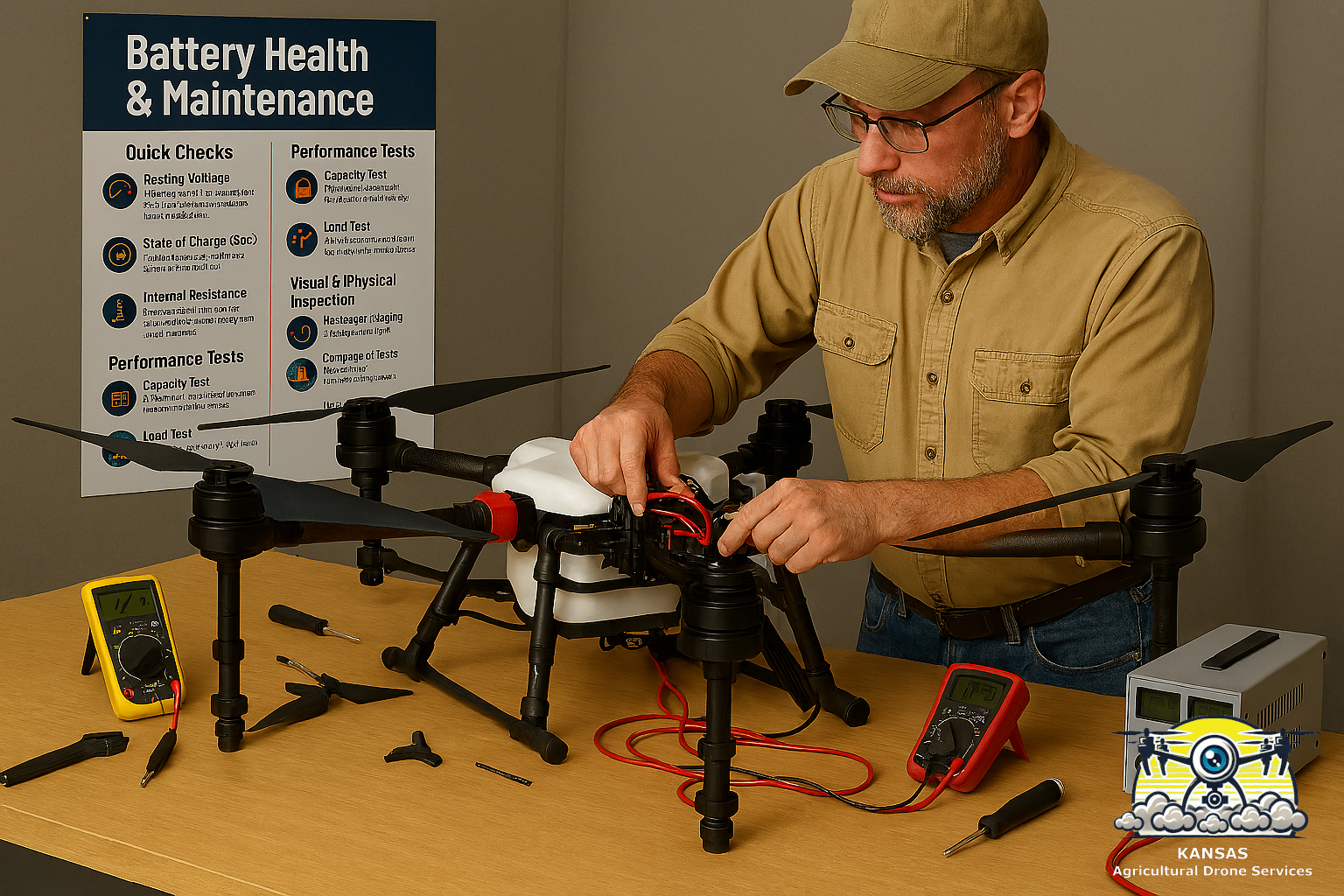
- Owning a spray drone requires dedication to maintenance and understanding its key components.
- Perform regular pre-flight inspections to ensure safety and functionality, checking the frame, propellers, and motors.
- Take care of the spray system, including proper cleaning after each use to avoid corrosion.
- Monitor battery health and manage charging practices to extend battery life and prevent failures.
- Stay proactive by replacing worn parts on schedule and addressing issues like poor spray patterns and reduced flight times promptly.
Buying a new spray drone is an exciting event. Even just opening the box and looking at all of the technology is fun. For some of us, at least. Owning these things requires some dedication to boring tasks and, just like your trusty pickup truck, it requires a commitment to maintaining your spray drone and keeping it running smoothly.
Maintaining your spray drone isn’t rocket science. It’s pretty straightforward once you understand the areas that wear. Like most other mechanical things, the key is staying ahead of problems before they cost you time and money during spraying season. Let’s walk through the critical information you’ll need to help you keep that bird in the sky.
Understanding Your Spray Drone’s Basic Components
Let’s become familiar with the major components of a spray drone. Think of it like knowing your way around the engine bay of that pickup – once you understand what does what, and what grinds on what, maintenance becomes second nature.

The Frame and Structure
Your drone’s frame is its backbone. Most agricultural drones use either carbon fiber or aluminum construction. Carbon fiber is lighter but can crack under stress, while aluminum is heavier but more forgiving. Look for hairline cracks, especially around motor mounts and landing gear attachment points. These stress points take a beating during normal operations.
Propulsion System
The motors and rotors are your drone’s workhorses. Agricultural spray drones typically run on brushless electric motors because they’re more reliable than brushed ones. The rotors (propellors) need to handle not just the drone’s weight but also the spray payload, which can be substantial.
Spray System Components
This includes your tank, pump, nozzles, and all the plumbing in between. The spray system is where you’ll spend most of your maintenance time, simply because it deals with chemicals that can be corrosive over time.
Pre-Flight Inspection Checklist
Every time you’re planning to take your drone out for spraying, you need to do a quick once-over. This isn’t being paranoid – it’s being smart. A five-minute inspection can save you from a costly crash or equipment failure in the middle of a field.
Visual Frame Inspection
Start by walking around your drone like you would a piece of heavy machinery. Look for obvious damage, loose bolts, or anything that seems out of place. Pay special attention to the landing gear – bent or damaged legs can cause your drone to tip over during takeoff or landing. See if you spot any separations between components, or cracks in different fasteners. One tip: Land softly to reduce stress.
Propeller Check
Run your hands along each propeller blade, feeling for nicks, cracks, or rough edges. Even small damage can cause vibration that’ll shake your whole drone apart over time. If you find damage, replace the propeller immediately. Don’t try to “make do” – propellers are relatively cheap compared to what happens when one fails mid-flight.
Make sure that each of the blades is properly fastened, and can slightly more around it’s pivot point. That bolt transmit a lot of stress. It should allow the easy rotaton of the blade around the bolt, but not be overly loose. The tightness of this bolt should be the same for all blades.
I used to spend quite a bit of time balancing the rotors on my RC Helicopters – balancing them so the center of gravity appears in the same spot on each rotor, and then balancing the rotor head with the blades attached. This made a really big difference to smooth flying. I can only imagine that it could have a similar advantage when there are four rotor heads involved! If any of you folks have heard of this on AG Drones, please drop me a line and let’s chat.
If your spray drone goes through a period of vibration when starting up, than you must stop the flight immediately, land, and check all of the fasteners! Don’t watch it shake and jiggle in the air. Roughness and vibration are a sign things are out of balance, and the beast could damage itself through intense vibration.
Motor and Gimbal Inspection
Gently rotate each motor by hand. They should turn smoothly without grinding or catching. Any resistance or weird noises mean it’s time for a closer look. Check that all motors are securely mounted and that there’s no play in the motor mounts. Look into any cooling slots or holes and gauge the amount of dust on any visible component. Remove the dust before flight if it covers more than 20% of the surface.
Battery Care and Management
Your drone’s battery pack is probably the most expensive single component you’ll replace regularly. Good battery care can extend their life significantly, while poor care can kill them faster than a summer drought kills corn.

Charging Best Practices
Never charge your batteries unattended, and always use the charger that came with your drone. Aftermarket chargers might save you a few bucks upfront, but they can destroy expensive battery packs. Charge in a cool, dry place away from flammable materials.
Most agricultural drone batteries use lithium polymer (LiPo) technology, which requires specific care. Never let them get too hot, too cold, or completely drained. Store them at about 60% charge if you won’t be using them for a while.
Signs Your Battery Needs Replacement
Watch for reduced flight time, the battery getting unusually hot during charging or use, or any swelling of the battery case. According to the Federal Aviation Administration, damaged lithium batteries pose serious safety risks and should be replaced immediately.
Most drone batteries last 200-300 charge cycles under normal conditions. Keep a log of your battery usage so you know when replacement time is approaching. For more detailed information, read about The careful use and maintenance of large Agricultural Drone Batteries.
Spray System Maintenance
The spray system is the star of the show. All of the other systems exist to ensure this system does its job. Your spray system needs the most attention because it’s constantly exposed to potentially corrosive chemicals.
Tank and Pump Care
After every spraying session, flush your entire system with clean water. Don’t just rinse it – actually run clean water through the pump and out the nozzles for several minutes. Some chemicals can crystallize or leave residues that’ll clog your system faster than you can say “harvest time.”
For thorough cleaning, use a tank cleaner specifically designed for agricultural spray equipment. Regular dish soap might seem like a good idea, but it can leave residues that affect your next application.
Nozzle Maintenance
Your spray nozzles are precision instruments. Even tiny amounts of debris can affect your spray pattern and application rate. Check them regularly for clogs, wear, or damage. Most nozzles have screens or filters that need regular cleaning or replacement.
Keep spare nozzle components on hand because they’re wear items. Check for accurate droplet size on a regular basis. How often you replace them depends on what you’re spraying and how much you use the drone. Some chemicals are harder on nozzles than others.
Hose and Connection Inspection
Check all hoses for cracks, kinks, or chemical damage. Pay special attention to connection points where hoses attach to fittings. These areas see the most stress and are prone to leaks. Replace any questionable hoses before they fail in the field. Always keep spares on your trailer!
When to Replace Key Components
Knowing when to replace parts is just as important as knowing how to maintain them. Replace too early and you’re wasting money. Replace too late and you risk equipment failure or poor performance.

Blade Replacement Schedule
Rotor blades are consumable items, especially on working drones. Replace them if you see any visible damage, but also replace them preventively based on flight hours. Most manufacturers recommend replacement every 100-200 flight hours, but this varies based on conditions.
Keep a complete set of spare blades on hand. Nothing’s more frustrating than having perfect spraying weather but being grounded because of a damaged rotor. Also keep spare attachment bolts on hand and replace used bolts at the first sign of looseness or cracks. Put a dab of loctite on the threads.
Motor Replacement Indicators
Motors typically last longer than rotors but will eventually wear out. Signs include increased vibration, reduced power output, or overheating during normal operations. Most brushless motors will give you 500+ hours of operation under normal conditions. It is important to use a flightlog to track flight time for routine maintenance and replacement like this.
Electronics and Sensors
GPS units, flight controllers, and other electronics usually last for years but can fail suddenly. Keep your firmware updated and watch for erratic behavior during flight operations. According to agricultural technology research from precision agriculture studies, sensor calibration is critical for accurate application rates. Recalibrate your controller and onboard sensors at the first sign of erratic handling, and at least every 100 hours of flying.
Seasonal Storage and Long-term Care
When spraying season ends, proper storage preparation can make the difference between starting next season smoothly or dealing with expensive repairs.
End-of-Season Cleaning
Give your drone a thorough cleaning before storage. This means completely flushing the spray system multiple times using tank cleaner, cleaning the frame, and checking all components one final time. Any chemical residue left in the system over winter can cause serious corrosion.
Battery Storage
Prepare your batteries for long-term storage by charging them to about 60% capacity. Store them in a cool, dry place where temperatures won’t fluctuate wildly. Check them monthly and top up the charge if needed.
Lubrication and Protection
Apply appropriate lubricants to moving parts like gimbal mechanisms and landing gear. Check your manual to see what kind of lubricant is recommended – if it gives none consider using a high-quality silicon lubricant that won’t attract dust like petroleum lubricants can. Cover the entire drone to protect it from dust and moisture. A simple tarp or custom cover works fine – just make sure air can circulate to prevent condensation buildup.
Troubleshooting Common Issues
Even with proper maintenance, things can go wrong. Here are some common problems and their solutions.
Poor Spray Pattern
If your spray pattern becomes uneven or patchy, start by checking the nozzles for clogs or wear. Verify that your pump pressure is correct and that there are no leaks in the system. Sometimes the issue is as simple as incorrect flight speed or altitude. You might also want to review Be sure about your swath! Ways to measure what you’re putting down to help diagnose issues.
Reduced Flight Time
Shorter flight times usually point to battery issues, but they can also indicate motor problems or increased system drag from damaged propellers. Check your power consumption patterns and compare them to baseline measurements. Check for binding parts, dirty motors, sticking rotating assemblies, and unbalanced rotor heads / blades
One flightlog company, Airdata, provides detailed battery information you may use to gauge battery health. I use Airdata for all of my smaller DJI drones. It allows trend analysis, tracks peak issues, and has maintenance reminders based on flight hours. It even provides checklists and reporting! Highly recommended.

GPS or Navigation Problems
GPS issues can be caused by interference, outdated firmware, or damaged antennas. Make sure your GPS antennas are clean and undamaged. Keep your firmware updated according to manufacturer recommendations.
The USDA recognizes that precision agriculture technologies like drones are becoming essential tools for modern farming operations. Regular maintenance is important to maintain operations, prevent breakdowns, and maximize the return on your investment. A well-maintained drone will serve you reliably for years, helping you apply chemicals more precisely and efficiently than traditional methods.
Remember, your spray drone is a sophisticated piece of equipment that deserves the same level of care you give your other farm machinery. Stay ahead of problems with regular inspections, replace components before they fail, and always prioritize safety. When in doubt, consult your manufacturer’s maintenance manual or contact professionals who understand the unique demands of agricultural operations.
Taking care of your spray drone might seem like just another chore, but it’s really an investment in your farm’s future productivity and profitability.