Key Takeaways
- Starting a spray drone service agency requires careful consideration of Spray Drone Insurance to protect your investment and clients.
- Commercial drone insurance differs from regular business insurance by covering unique risks, specialized equipment, and liability issues.
- Essential types of insurance include hull insurance, liability insurance, equipment coverage, and general business insurance.
- Unique spray drone-specific insurance needs include payload coverage and aviation liability coverage to manage risks associated with agricultural spraying operations.
- Budgeting for insurance should account for various factors such as equipment value, location, and experience, with strategies available to reduce costs without compromising coverage.
Starting a spray drone service agency is an exciting venture. If you’re like me you are ‘drinking from a fire hose’ so it pays to slow down just a bit and think about startup costs. Have you considered your Spray Drone Insurance, yet?
Finding the right coverage isn’t just about following rules – it’s about protecting your investment, and more importantly your clients. Whether you’re planning to spray crops, monitor fields, or offer other agricultural drone services, having solid insurance coverage will give you peace of mind and help your business grow with confidence.
Insurance Needs for a Spray Drone Service Agency
The drone industry has grown fast and insurance companies have been scrambling to keep up. In 2010, drone insurance was practically non-existent. Today, there are dozens of companies offering unique and specialized coverage for commercial drone operations. This is great news for folks starting agricultural spray drone services, but it also means you need to have a way to separate the wheat from the chaff. There is so much chaff!
Commercial drone insurance is different from regular business insurance in several key ways. First, it covers the unique risks that come with operating aircraft, even small ones. Second, it often includes coverage for the specialized equipment being used, like spraying systems and expensive sensors. Third, it typically covers liability issues that could arise from drone operations, including property damage and personal injury.
Your state controls insurance issues required for commercial drone operators. I suggest you look at up the requirements and properly budget for appropriate coverate.
Types of Necessary Insurance Coverage
When shopping for drone insurance, you will likely encounter several types of coverage:
- Hull insurance – Protects your drone itself if it gets damaged or destroyed.
- Equipment coverage – Protects specialized gear like spraying systems, cameras, and sensors, even the tanks, generator, and pumps mounted on your trailer. Some policies also include coverage for lost income if your drone is out of commission.
- Liability insurance – Covers damages or injuries your drone might cause to other people or property.
Essential Types of Other Business Insurance
Running a spray drone service means you’re operating a business, and that business needs protection beyond just drone-related coverage. General liability insurance is your foundational coverage, as it protects you if someone gets hurt on your property or if you accidentally damage a client’s property during operations. Professional liability insurance, also called errors and omissions coverage, protects you if a client claims your services caused them financial loss.
Commercial auto insurance is crucial if you’re driving to job sites with trailers full of equipment.
Property insurance protects your office, warehouse, or storage facility where you keep your drones and equipment. If you’re working from home initially, check whether your homeowner’s policy covers business equipment – often it doesn’t, or coverage is very limited.
Workers’ compensation insurance becomes necessary once you start hiring staff to help with ground operations or additional pilots. Even if you’re initially operating solo, having a clear understanding of your future responsibility will help you scale your business properly.

Unique Spray Drone-Specific Insurance Requirements
Spray drones present interesting risks that standard business insurance doesn’t cover. These machines carry chemicals, fly over valuable crops, and operate in weather conditions that can change quickly and may cause drift into neighboring fields. Your drone insurance needs to account for all these factors.
Payload coverage is especially important for spray drone operations. This coverage protects against liability related to the chemicals or other materials your drone is carrying. If your drone malfunctions and sprays the wrong field, or if there’s a chemical spill during loading, payload coverage helps protect you from potentially massive liability claims.
Aviation liability coverage is another critical component. Unlike car insurance, drone insurance needs to account for the unique risks of aircraft operations. This includes coverage for damage due to emergency landings, mid-air incidents, and ground strikes during takeoff or landing.
As mentioned above, some insurance companies offer unmanned aerial vehicle (UAV) policies specifically designed for commercial operations. These policies often bundle hull insurance, liability coverage, and equipment protection into comprehensive packages that are easier to understand and often more cost-effective than piecing together separate policies.
Hull Coverage: Equipment Valuation and Replacement Coverage
Agricultural spray drones aren’t cheap. A professional-grade spray drone can cost anywhere from $15,000 to $100,000. Or even more, depending on size and capabilities. Make sure your the hull coverage portion of your spray drone insurance reflects the actual replacement cost of your equipment, not just its depreciated value. Some policies offer “agreed value” coverage, where you and the insurance company agree on the drone’s value upfront. Good hull coverage will be 7 to 10% the value of your aircraft.
Finding the Right Provider for your Spray Drone Insurance
Start by getting quotes from at least three different providers. Make sure you’re comparing apples to apples – insurance policies can vary significantly in their coverage details. Pay attention to exclusions, deductibles, and coverage limits. Some policies exclude certain types of operations or weather conditions, which could leave you exposed during critical times.
Consider working with an insurance broker who specializes in aviation or agricultural businesses. These professionals can help you navigate the complex world of commercial insurance and often have access to specialized markets that don’t sell directly to consumers.
Questions to Ask Potential Insurance Providers
When talking to insurance companies, ask specific questions about your operation. Do they cover agricultural spraying specifically? What are their requirements for pilot certification and training? Do they require certain safety protocols or equipment? How many similar policies have they written? How do they handle claims, and what’s their typical response time? Understanding these details upfront can save you headaches later.
Regulatory Compliance and Safety Requirements
Insurance companies don’t just hand out policies – they want to know you’re operating safely and legally. Your state requires commercial drone operators to have a Remote Pilot Certificate, and many insurance companies require this as a minimum qualification. Some insurers require additional training or certification, especially for agricultural operations involving chemical application.
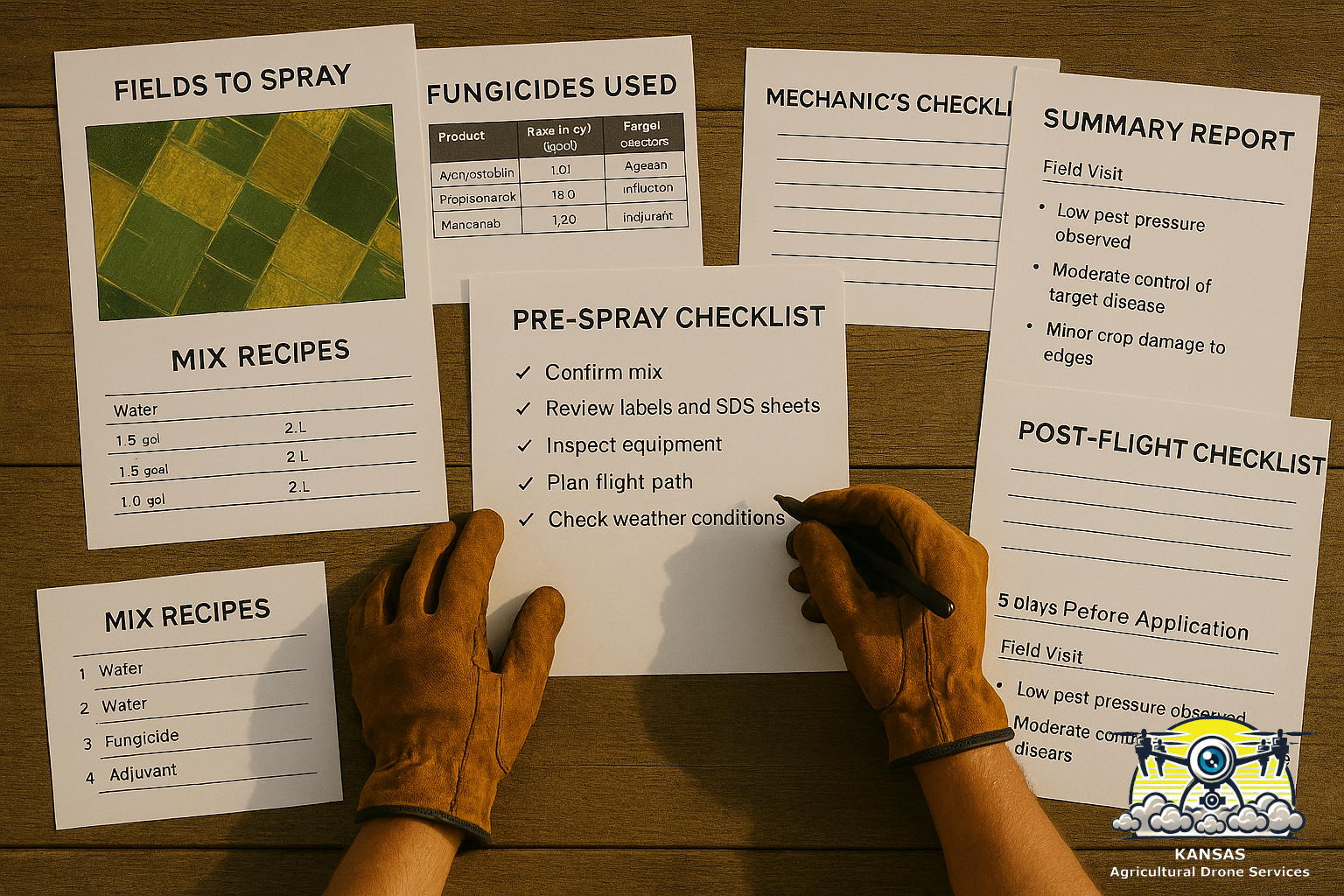
Maintaining detailed flight logs and safety records can help reduce your insurance costs over time. Insurance companies like to see evidence that you’re taking safety seriously. This includes pre-flight checklists, weather assessments, equipment maintenance records, organized flight records, and incident reports.
Some insurance policies require you to follow specific safety protocols, such as maintaining certain distances from airports, operating only in specific weather conditions, or conducting regular equipment inspections. Make sure you understand these requirements and can realistically comply with them before signing a policy.
The Environmental Protection Agency (EPA) regulates the use of pesticides and other agricultural chemicals, including their application by drone. Your insurance provider may require you to follow EPA guidelines and maintain proper certification for chemical application.
Documentation and Record Keeping
Good record keeping isn’t just good business practice – it’s often required by your insurance policy. Keep detailed records of all flights, maintenance activities, pilot training, and any incidents or near-misses. This documentation can be crucial if you ever need to file a claim or if your insurance company conducts an audit. Also, check with your state to confirm special reporting requirements and track your submittals.
Budgeting for Insurance
Insurance costs for spray drone services vary widely based on several factors. The value of your equipment, the size of your operation, your experience level, and the specific types of services you offer all affect your premiums. Expect to pay anywhere from 1% to 5% of your equipment value annually for hull insurance, with liability coverage adding additional costs.
Location matters too. Operating in areas with heavy air traffic, adverse weather conditions, or high property values typically results in higher premiums. Your claims history, both personal and business, will also affect your rates. Insurance companies typically offer discounts for safety training, clean driving records, and bundling multiple types of coverage.
Consider how insurance costs fit into your overall business model. Be intentional and PLAN your insurance. For instance, if you’re charging $25 per acre for spraying services, make sure your insurance costs allow you to remain competitive while maintaining adequate coverage. Some operators try to save money by reducing coverage, but this can be a costly mistake if you cause crop damage.
Ways to Reduce Insurance Costs
Several strategies can help reduce your insurance premiums without compromising coverage.
- Complete additional safety training
- Maintain excellent flight records
These extra steps may lead to discounts. Further, some insurance companies offer lower rates for operators who belong to professional organizations or who complete annual safety refresher courses.
Bundling different types of coverage with the same company often results in discounts. If you need both drone insurance and general business insurance, getting them from the same provider can save money. Also note that higher deductibles can reduce premiums, though you’ll pay more out of pocket if you have a claim.
Who Insures KADS, llc?
I chose to work with Luke Petty at FlightLine Assurance. Luke is the founder and principal agent at FlightLine. He has been writing drone insurance for a very long time. Luke took the time to talk with me about options, explained the impact of various options and business issues, and shared stories about how the industry has evolved to support spray drone coverage. These few conversations really helped me to understand my options and was in stark contrast to others who assaulted me with questions they didn’t understand and just wanted to write a policy and move on. I think of Luke as a business partner in my operations. See for yourself: Visit the Website for Flightline Assurance or email Luke Petty and ask for a phone consultation.
Conclusion and Next Steps
Getting the right insurance for your service agency might seem overwhelming, but it could turn out to be one of the most important investments you’ll make in your business. Take the time to understand your coverage options, work with knowledgeable providers, and maintain good safety practices. Remember, insurance provides you with protection and, if done well, confidence to grow your business.