Drone Application
-
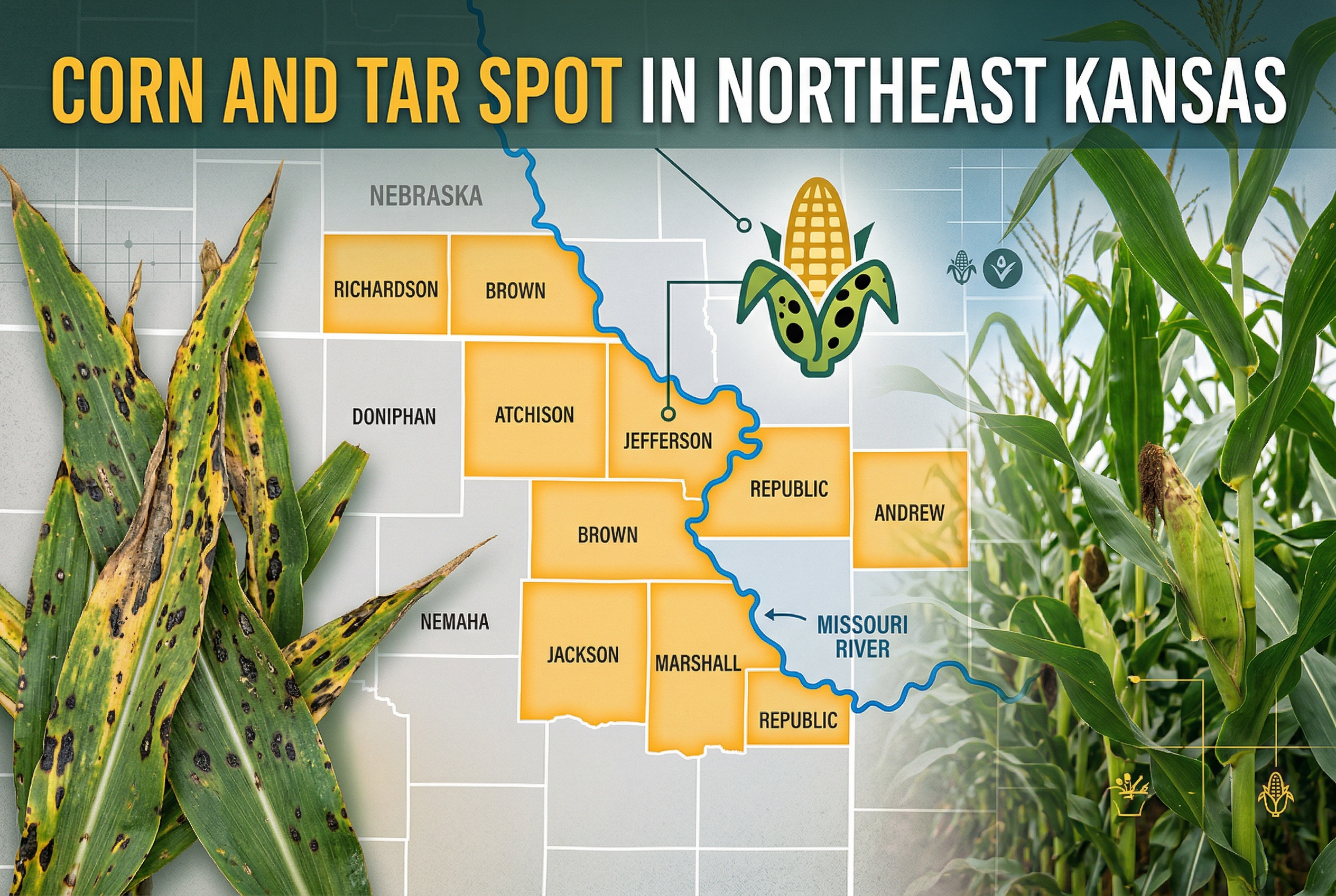
Corn and Tar Spot in Northeast Kansas
Tar spot has affected corn in northeast Kansas for three years, spreading earlier and causing significant yield losses. Farmers must scout and manage this disease proactively to mitigate its impacts.
-
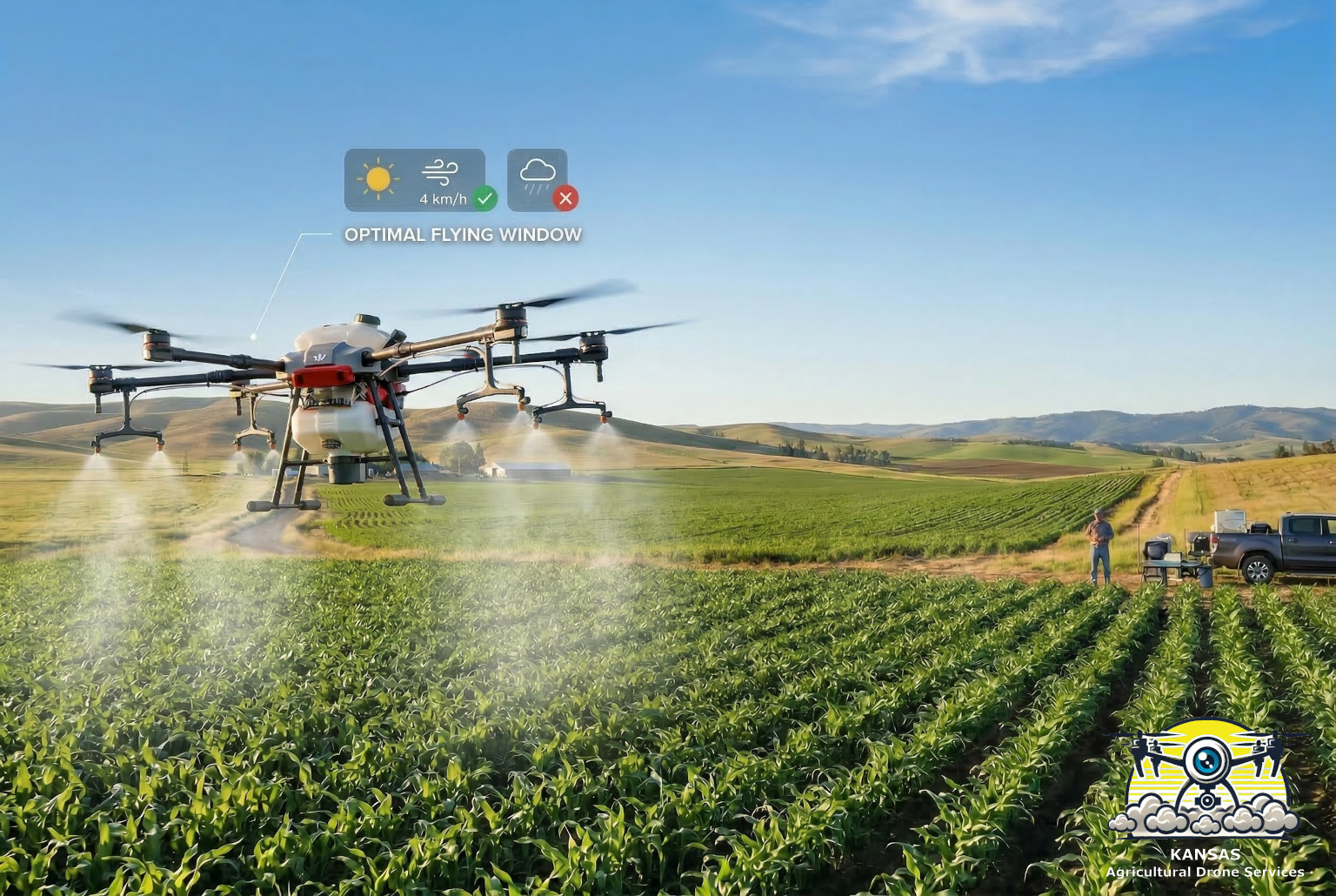
Spray Drone Weather Window
Weather significantly influences farming operations, especially spraying. Agricultural drones offer timely solutions in adverse conditions, but careful awareness of weather factors is crucial to avoid operational mistakes and ensure effectiveness.
-
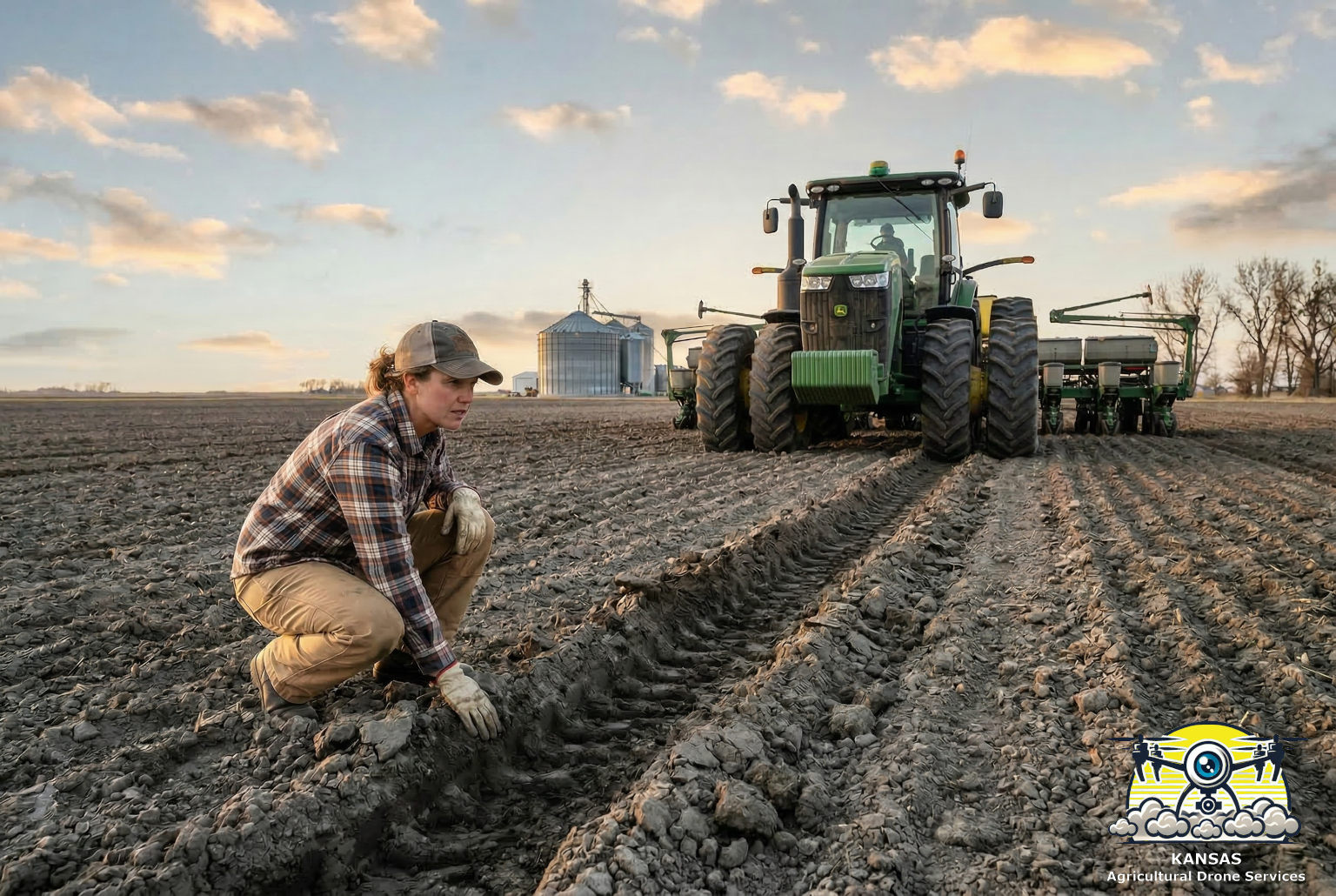
Soil Compaction: The Hidden Yield Killer
Soil compaction undermines crop yields and soil health, created by heavy modern equipment. Drones and biological products offer innovative solutions to reduce compaction and improve soil structure for better productivity.
-
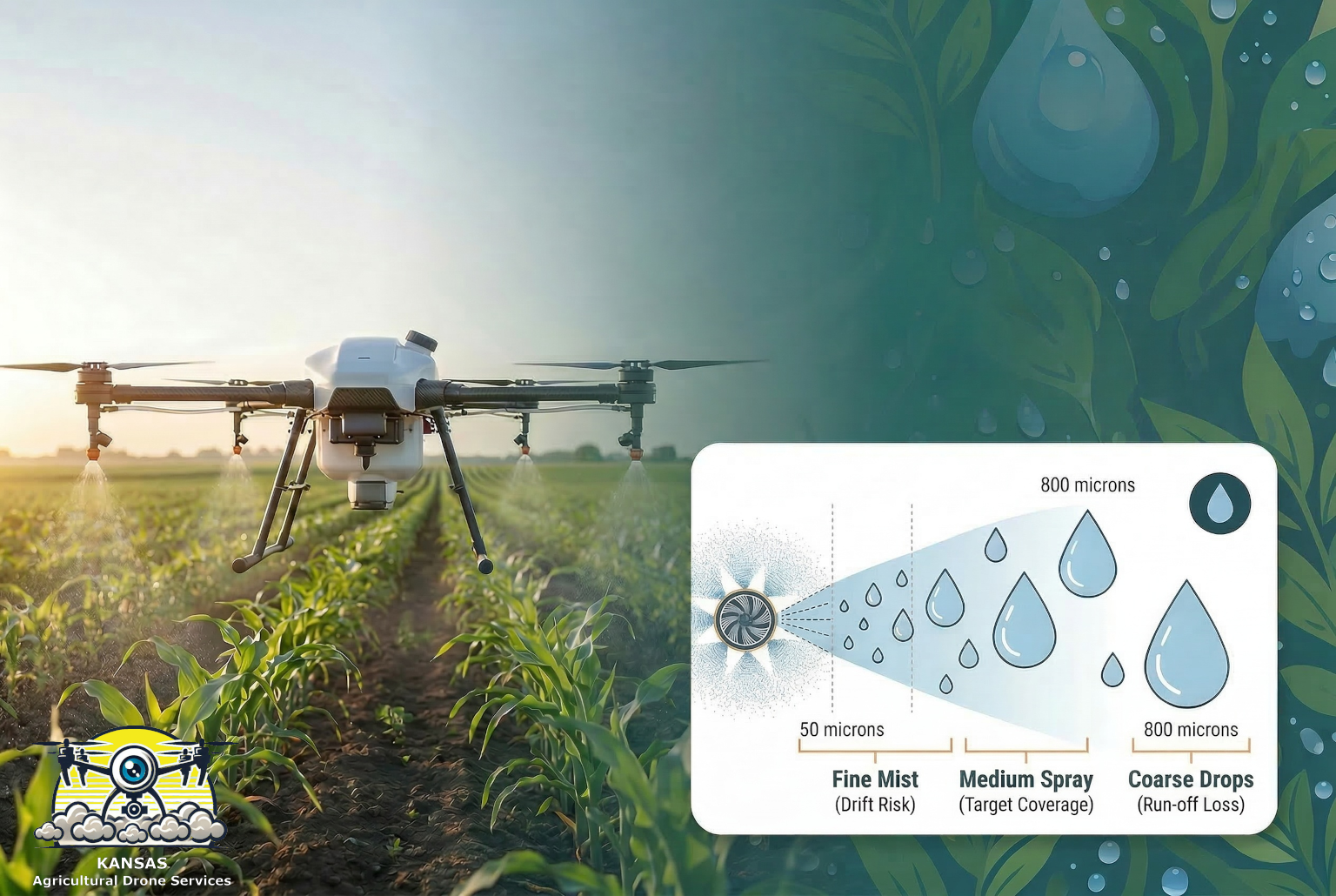
Droplet Size Is the Secret to Drone Application
Controllable drone spraying hinges on droplet size, impacting coverage and drift. Matching droplet size to specific tasks and weather conditions maximizes effectiveness, especially for biological products and various crop treatments.
-
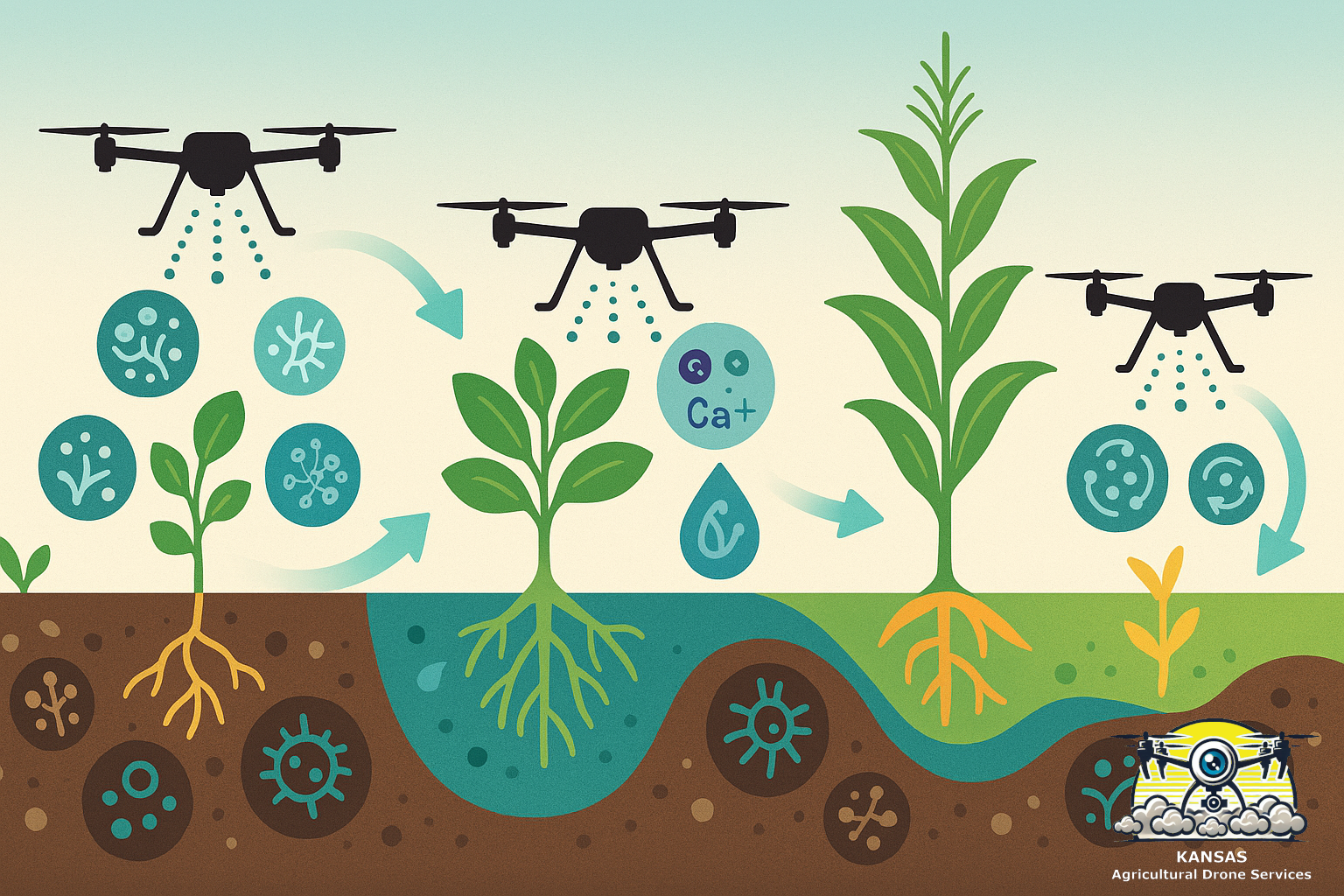
Rebuilding Soil Life: Agricultural Biologicals
Healthy soil is crucial for agriculture. Farmers use drone-applied microbes to improve microbial diversity and nutrient cycling, efficiently and sustainably boosting soil health and crop yields.
-
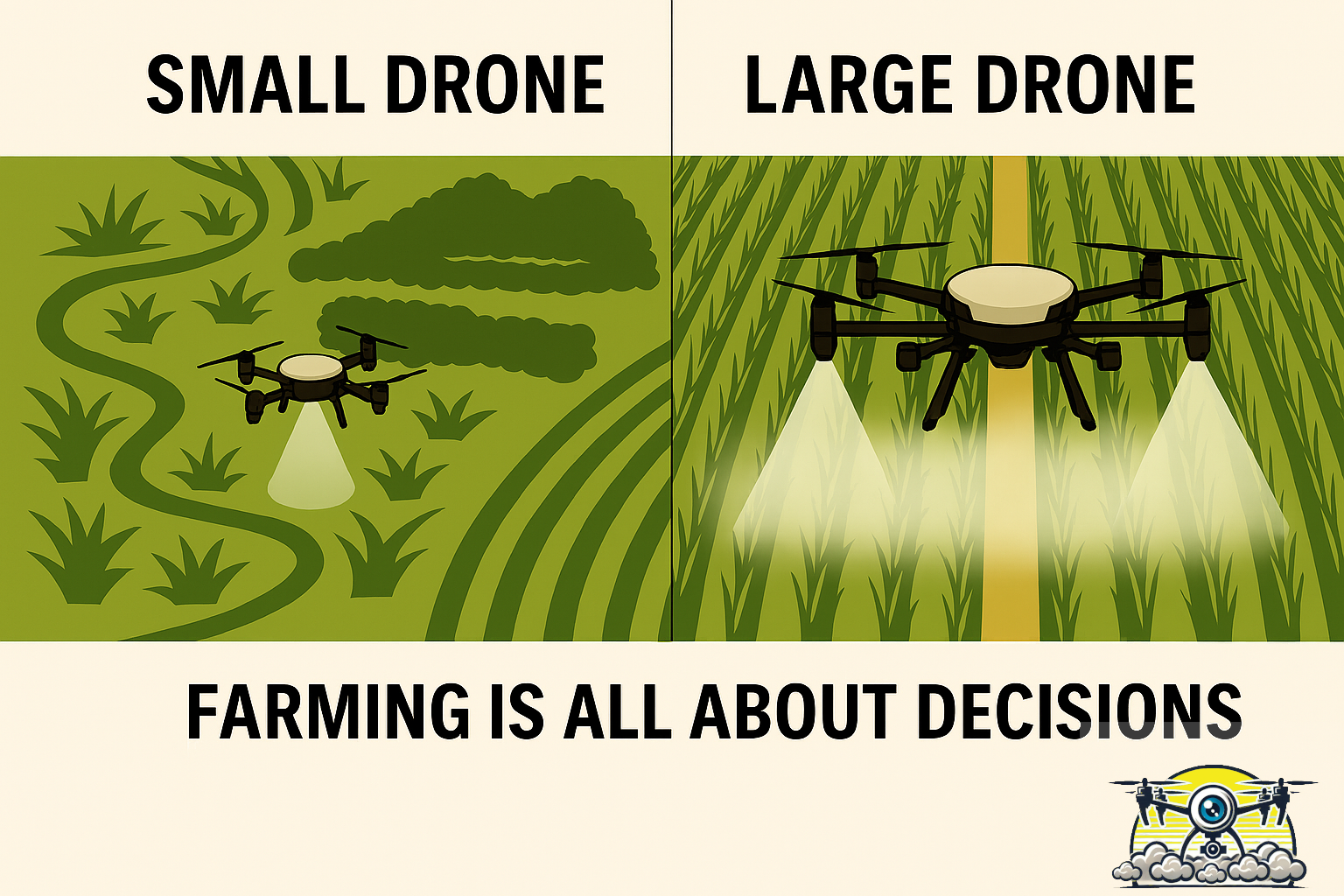
Small vs. Large Agricultural Spray Drones
Agricultural spray drones have evolved into essential tools for precise crop protection. Selecting the right drone depends on field size and terrain, balancing efficiency against operational needs for successful outcomes.
-
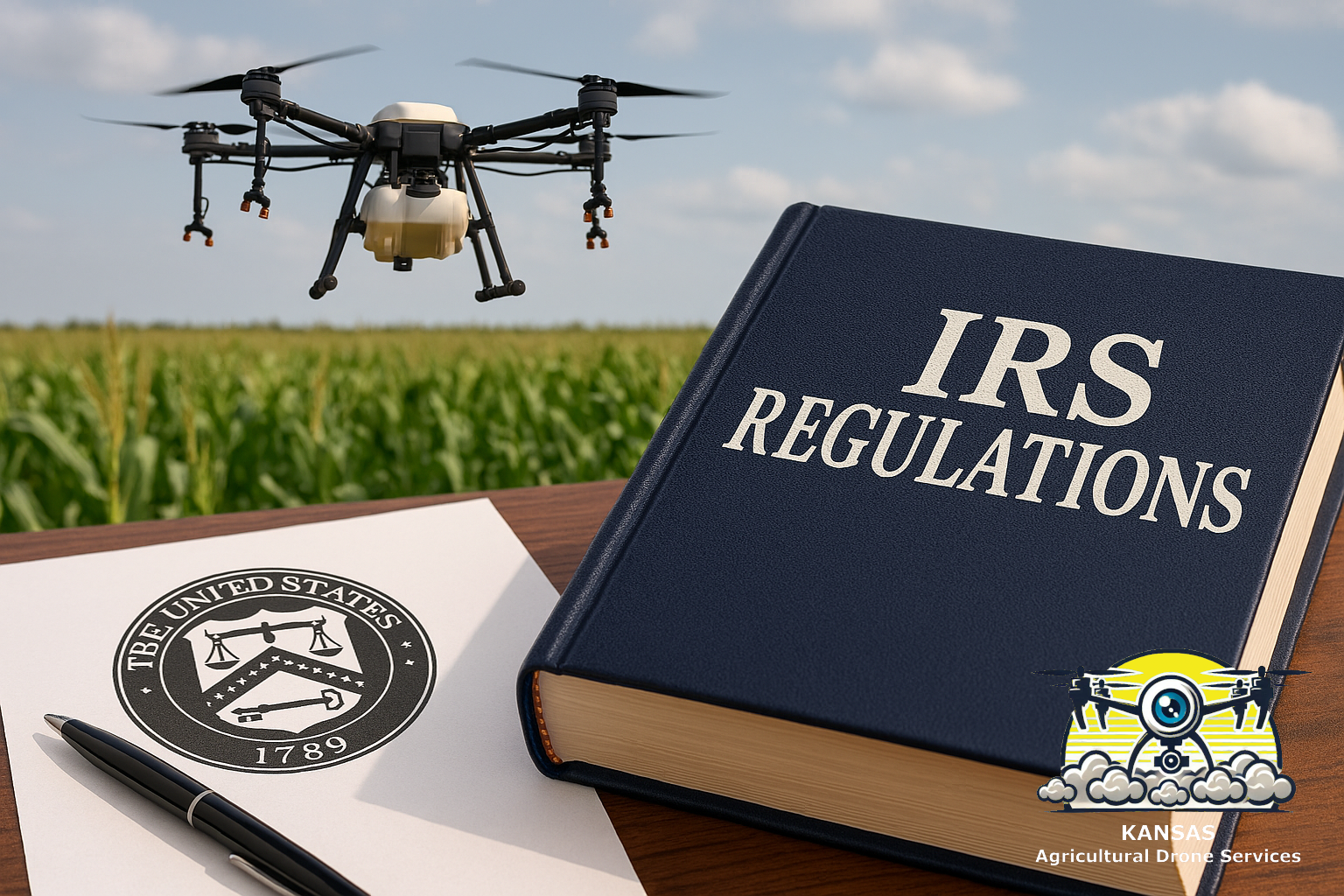
Surprising! Agricultural Drones Can Reduce Your Tax
Agricultural drones may qualify for the U.S. Section 41 R&D Tax Credit, offering farmers potential tax savings of $20,000 to $300,000 when used for experimentation and improved farming practices.
-
Can agricultural drones play a part in regenerative agriculture?
Agricultural drones enhance regenerative practices by improving soil health monitoring, enabling precise cover crop seeding, reducing chemical use, and optimizing livestock management, ultimately supporting sustainable farming systems.
-
The Many Ways Agricultural Drones Improve Crops
Agricultural drones enhance farming efficiency by detecting crop issues early, managing diseases and pests precisely, ensuring optimal irrigation, mapping fields, and boosting yields while minimizing costs and environmental impact.
-
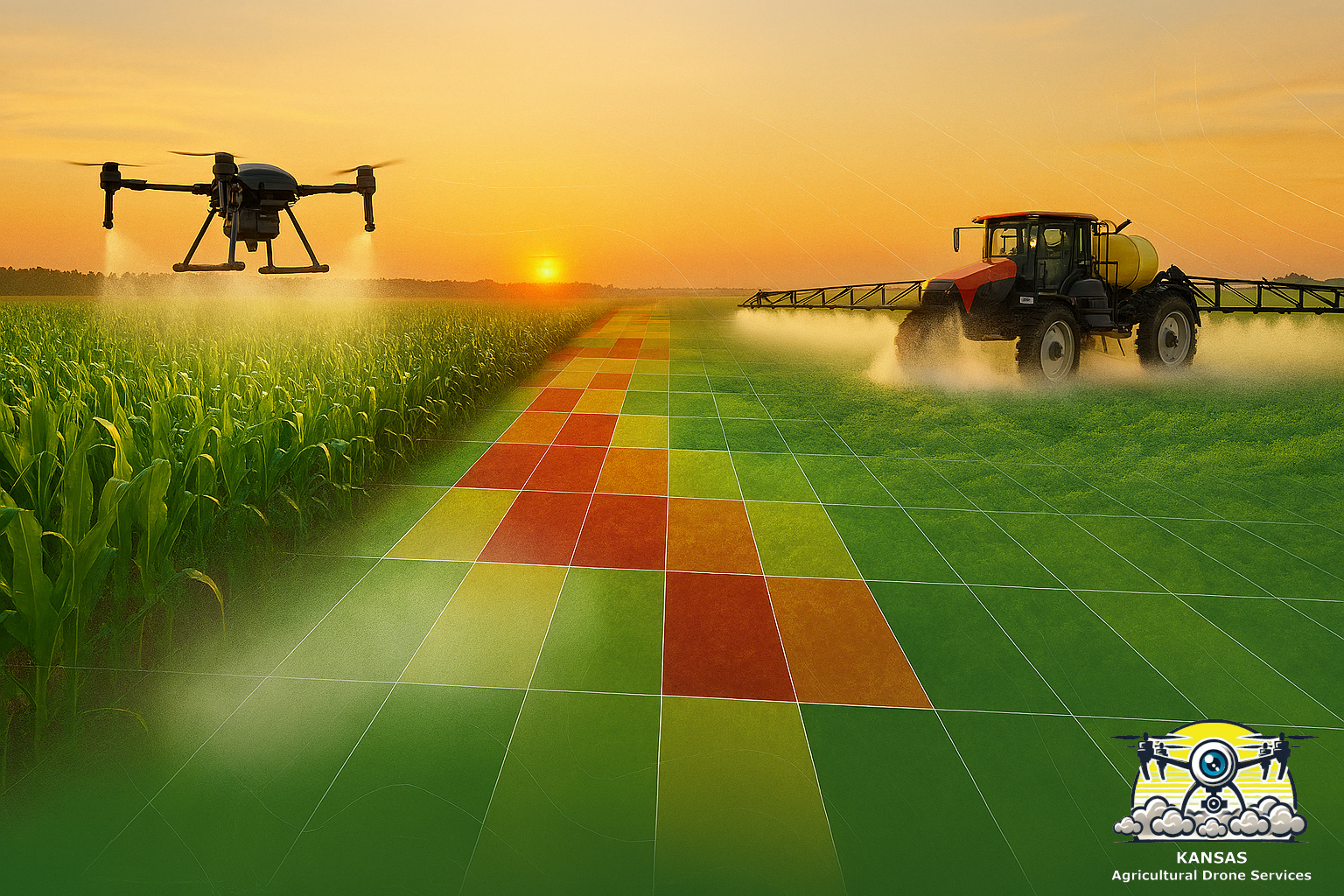
Prescription Maps: Spoon Feeding your Crop
Prescription maps optimize product application by addressing crop issues, reducing costs, and minimizing environmental impact. They involve data collection, zone creation, and targeted treatments for healthier crops.
-
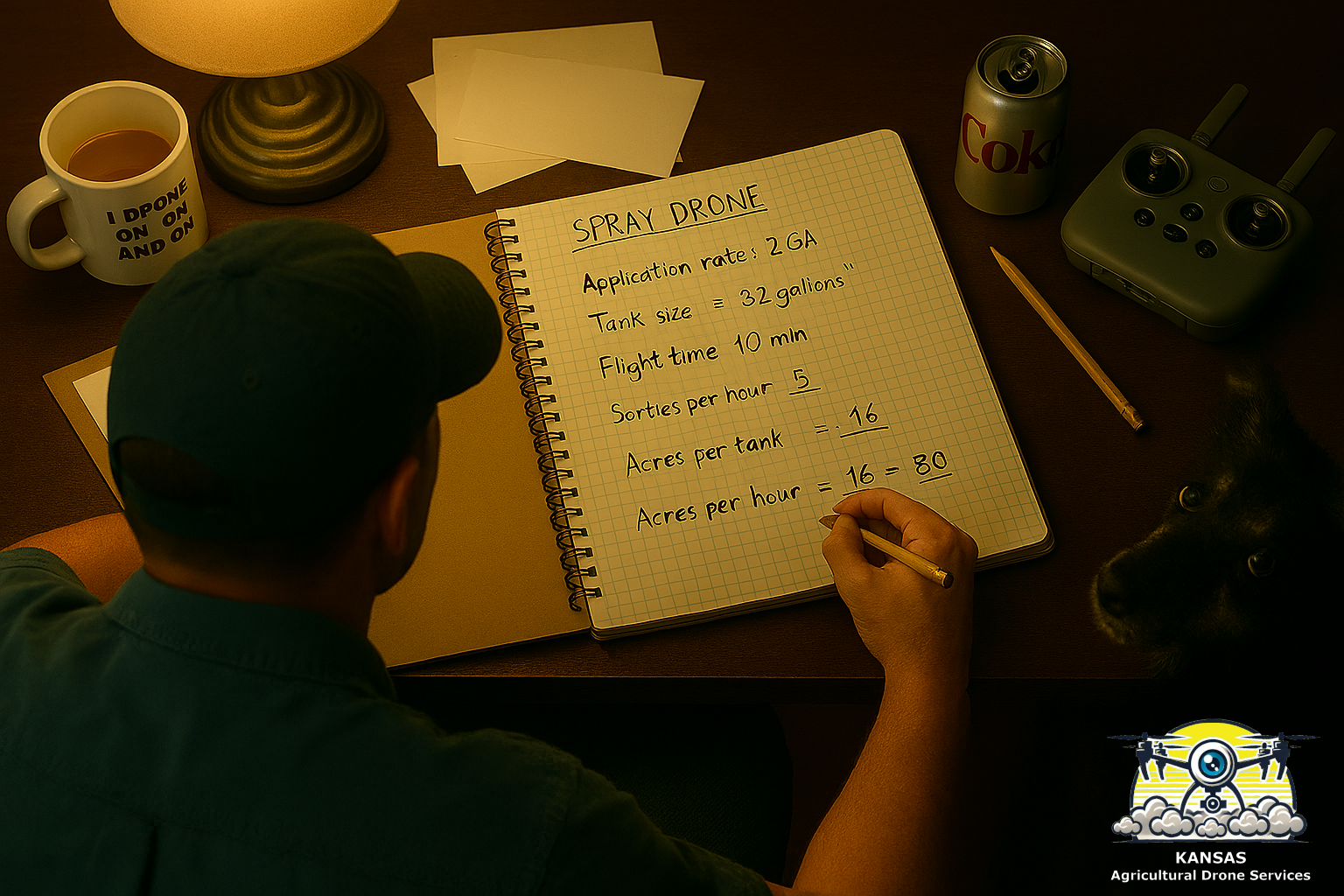
Spraying 320 Acres: Day-in-the-Life of a Spray Drone Pilot
Using a 32-gallon drone, spraying 320 acres at 2 GPA requires 20 sorties in about 4 hours. Preparation, efficient crew roles, and risk management are essential for timely completion.
-

Confirming your Swath
Accurate swath measurement is essential for effective application, utilizing modern technologies like GPS and drones. Combining traditional and tech methods enhances crop performance and minimizes costs from inefficiencies.
-
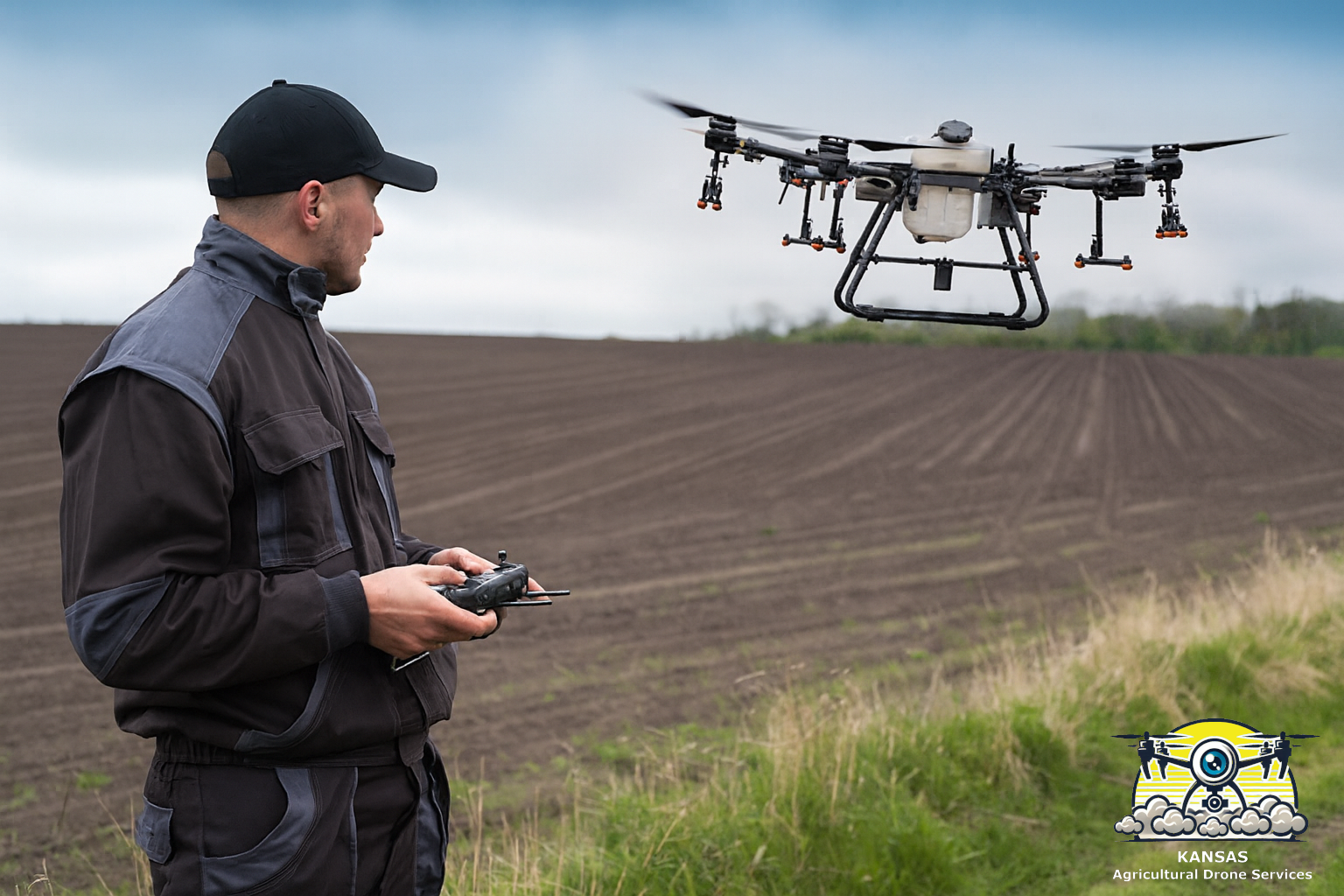
Becoming an Agricultural Spray Drone Pilot in Kansas
Becoming an agricultural spray drone pilot in Kansas requires FAA certification, knowledge of crop science, and specialized training. There are many regulatory requirements. Use a methodical approach.
-
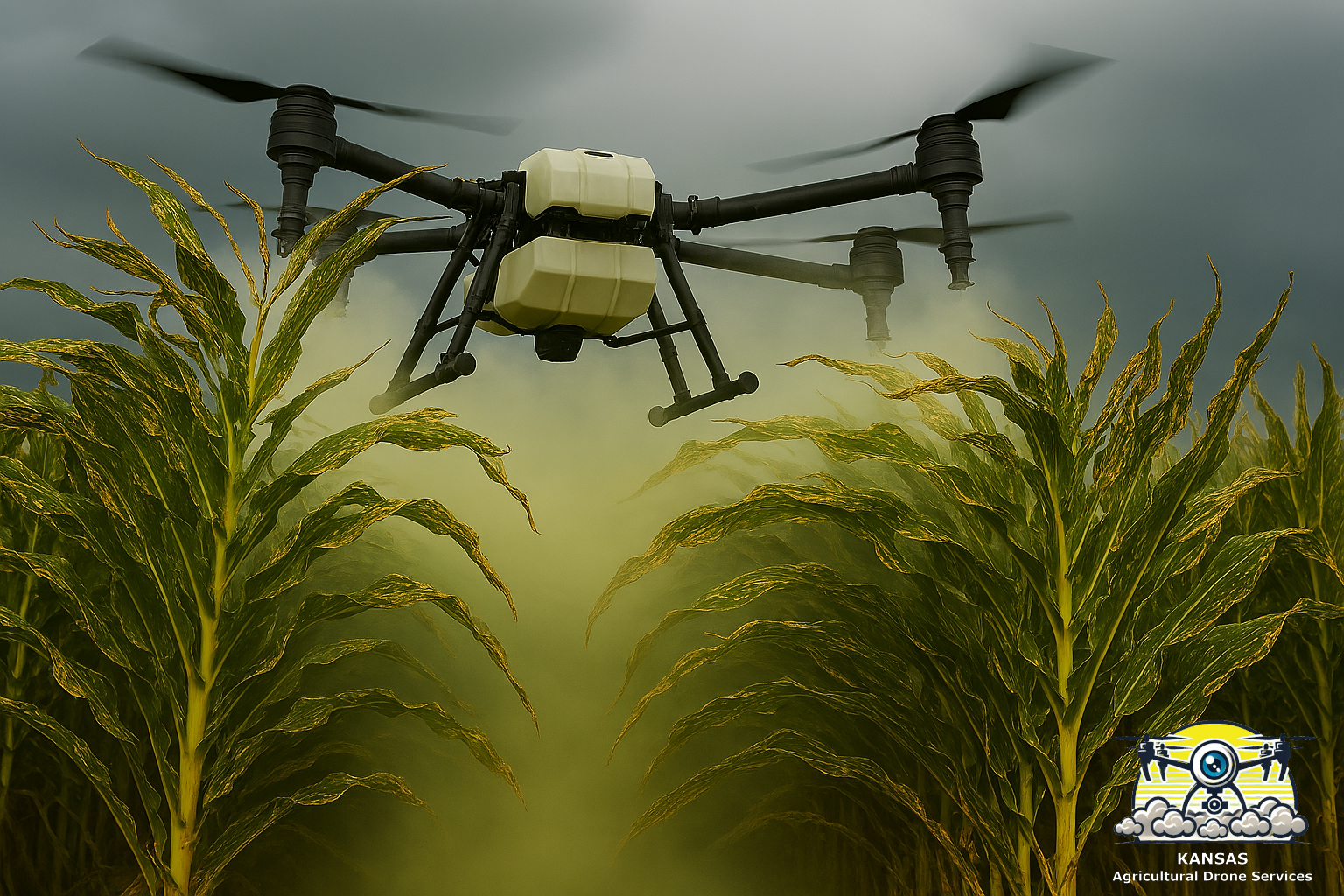
Fungicide Application by Drone, and Maximizing Canopy Penetration
Drone fungicide application enhances disease management for Midwest corn and soybeans. It improves coverage and penetration, reducing crop damage and soil compaction while maximizing yield protection.
-
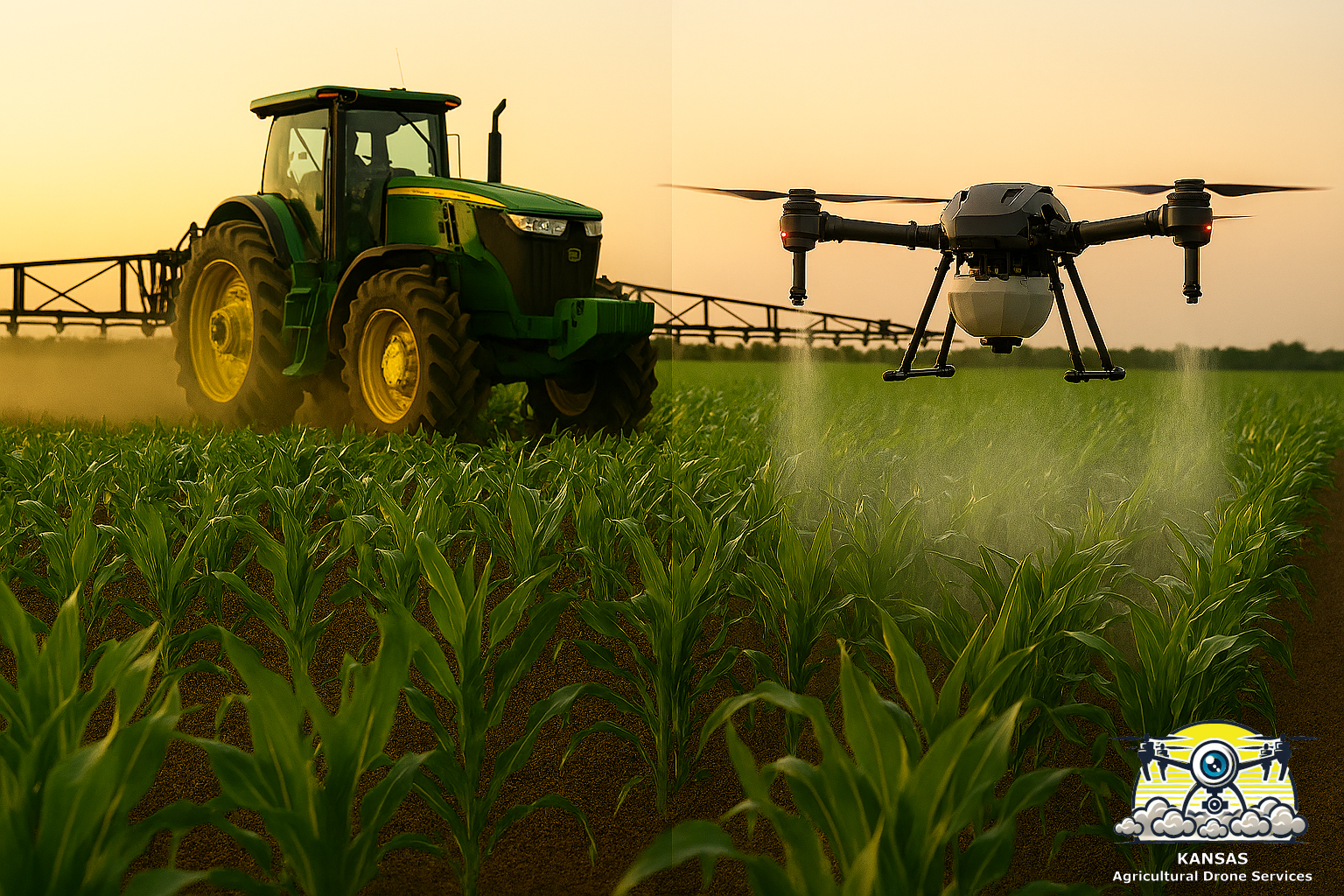
Spray Drone vs. Ground Rigs: Drift, Compaction, and Efficiency Compared
Farmers are evaluating drone and ground rig applications, noting drones reduce spray drift, avoid soil compaction, and offer precision spraying, making them ideal for targeted treatments without harming field health.