Key Takeaways
- Multispectral crop monitoring enhances our understanding of crop health, revealing issues invisible to the naked eye.
- Using drones with multispectral sensors provides precise data on crop stress from nitrogen deficiency, water issues, and diseases.
- Early detection allows targeted interventions, reducing waste on crop inputs and saving costs smartly.
- Over time, consistent data helps identify patterns in field performance, improving decision-making for planting and soil health.
- Technology adds value to farming without replacing the farmer’s wisdom, enabling better-informed decisions and greater confidence.
My family owns a farm in the Missouri River Bottoms. It was brought into the family by my grandfather some ninety years ago. We sharecrop it since our family did not originally live nearby. I’ve walked the fields of this farm with our local farmers since I was young. And I still do. But there’s only so much we can see, even by the wise eyes of a seasoned farmer. Crops don’t always show their troubles in ways we can see from the ground. Sometimes the plants are already stressed long before they turn yellow, curl up, or fall behind. That’s where multispectral crop monitoring has transformed our perception of crops. It hasn’t replaced the judgment of a good farmer but has sharpened it.
Seeing the Invisible
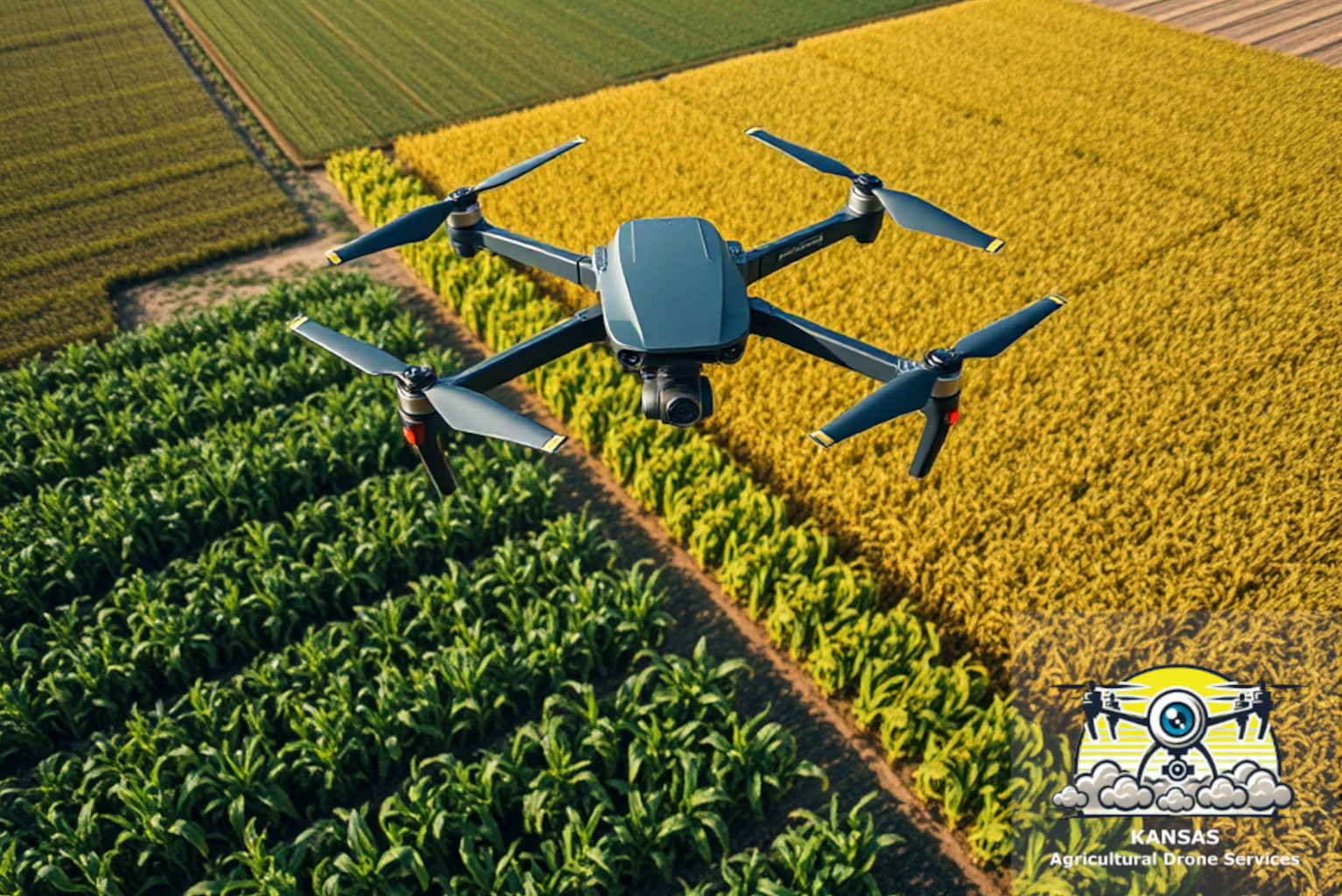
When I send a drone up with multispectral sensors, I’m not just getting a pretty picture. I’m getting layers of information that the naked eye can’t pick up. Plants reflect and absorb light differently depending on how healthy they are. Some wavelengths show stress from lack of nitrogen. Others reveal water issues, disease pressure, or uneven emergence. What we get back is a map of the fields that tells us where the crop is thriving and where it’s struggling, sometimes weeks before we could spot it, ourselves.
Precision and Early Warning
That early warning is worth more than most folks realize. When you catch a problem early, you can fix it early. Instead of blanket‑treating a whole field, we can target the exact spots that need attention. Maybe it’s a low spot that’s holding too much water. Maybe it’s a patch where the planter didn’t get good seed‑to‑soil contact. Maybe it’s a nutrient deficiency starting to show. Whatever it is, we are not guessing anymore, and we can respond with precision.
And that precision saves money. Inputs aren’t cheap—fertilizer, herbicide, fungicide, fuel, labor, none of it. When we know exactly where the problem is, we don’t waste product on acres that don’t need it. We can cut back on unnecessary passes and let those savings drop straight to the bottom line. It’s not just about spending less, either. It’s about spending smarter.
Season Over Season Over Season
Another thing I’ve come to appreciate is how multispectral monitoring helps us understand the story of a field over time. Every season is different—rainfall, heat, pests, planting conditions—but patterns may emerge with consistent data. We can compare this year’s maps to last year’s, and the year before that, and start to see which areas always struggle and which ones consistently perform. That helps make decisions about variable‑rate planting, drainage improvements, and long‑term soil health work. It’s like having a memory that never forgets a single acre.
Plan for Regular Drone Scouting
There’s also peace of mind in knowing what’s happening across the whole farm without having to physically be everywhere at once. During the busy season, when farmers are typically juggling planting, spraying, equipment repairs, and weather windows, it’s easy to miss things. A multispectral flight can provide a check on fields that may otherwise go un-scouted. Having an organized approach to drone scouting can build the knowledge of even remote fields, so the producer can prioritize work based on real conditions instead of hunches.
Adding To, not Replacing, Farmer Wisdom
Some folks worry that technology like this takes the “farmer” out of farming. I don’t see it that way. To me, it’s just another tool—like a soil probe, a yield monitor, or a good wrench. It doesn’t make decisions for anyone. It just gives better information so the farmer can make better decisions. Farming has always been about adapting, learning, and using whatever tools help us take care of the land and grow a better crop. This is the next tool.
At the end of the day, multispectral crop scouting can help us all to farm with more confidence. We can know what is happening in each field, not just what we think is happening. We can act sooner, spend smarter, and understand our land at a deeper level. And in a business where margins are tight and every acre counts, that kind of clarity is priceless.