Key Takeaways
- Becoming an agricultural spray drone pilot involves understanding technology and farming practices, with growing demand in Kansas.
- Start by obtaining a Remote Pilot Certificate from the FAA, then study for the Part 107 test and pass a knowledge exam.
- Learn agricultural spray techniques, crop science, and master spray equipment through training and mentorship.
- Additional licensing, including a pesticide applicator license and FAA certifications, is necessary for legal operation.
- Network within the agricultural community, invest in reliable equipment, and market your services effectively to build your client base.
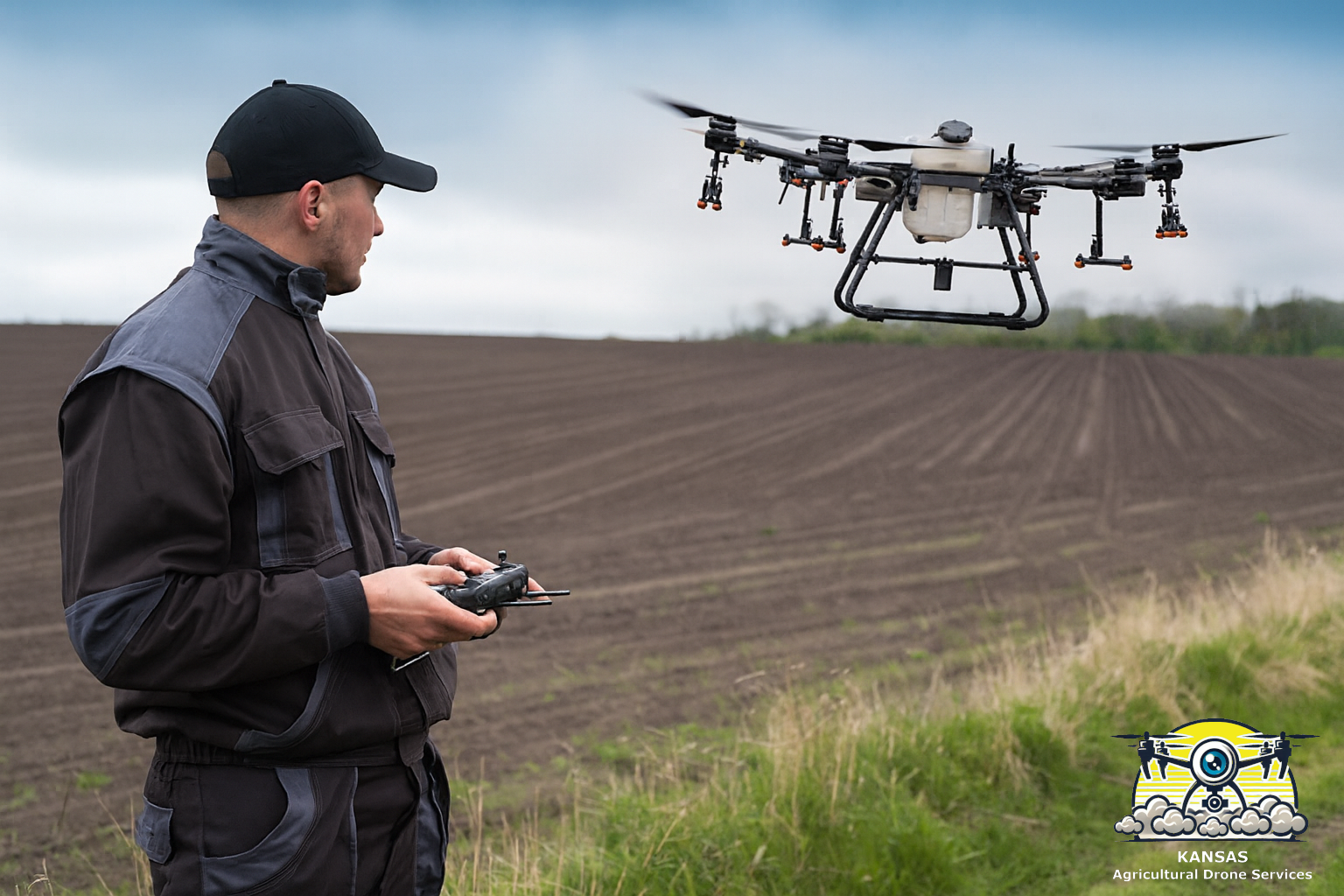
Maybe you have watched a large drone zip across Kansas farmland, spraying crops with impressive precision and even majesty. You may have even wondered how to get into this exciting field. Piloting an agricultural spray drone is a much-sought talent in farming today. In Kansas, our large stretches of corn, wheat, and soybeans, offers plenty of opportunities for folks in the Sunflower State who want to combine technology with agriculture.
Becoming an agricultural spray drone pilot isn’t just about flying a fancy remote-control airplane or quadcopter. It’s about understanding weather patterns, applicator regulations, safety, and high-tech equipment that can make or break a farming season. The good news? There is a stable path to getting started, and the demand for skilled pilots keeps growing.
Understanding What Spray Drone Pilots Do
A spray drone pilot operates an unmanned aircraft to apply pesticides, herbicides, fertilizers, and other treatments to crops. This is, without a doubt, both dangerous and exciting. It requires care, precision, timing, and a deep understanding of both the technology and the farming process.

In Kansas, commercial spray drone pilots work with farmers across many thousands of acres of cropland. You might find yourself treating everything from small family farms to massive commercial operations. The work is seasonal, with peak demand during spring planting and summer growing seasons, especially during the fungicide spray season. Many pilots may also use drones for field mapping, crop monitoring, and damage assessment.
Getting Your Remote Pilot License
The first official step is getting your Remote Pilot Certificate from the Federal Aviation Administration (FAA). This isn’t optional – it’s required by law for anyone operating drones commercially, including agricultural spraying.
Study for the Part 107 Test
The Part 107 certification covers everything from airspace regulations to weather patterns and aircraft performance. You’ll need to understand topics like:
- Federal Aviation Regulations that apply to small unmanned aircraft
- Airspace classification and operating requirements
- Weather sources and effects on aircraft performance
- Aircraft loading and performance
- Emergency procedures
The study materials are available free from the FAA, and there are plenty of online courses and practice tests. I passed it just by studying the free manuals. Most folks spend about 20-40 hours studying, depending on their background. The most difficult parts for me was reading a sectional chart and understanding the requirements for different airspaces. If you’ve got experience with aviation, you might pick it up faster.
Take the Knowledge Test
Once you’ve studied up, you’ll take the aeronautical knowledge test at an FAA-approved testing center. In Kansas, you can find testing centers in major cities like Wichita, Topeka, and Kansas City. The test costs around $175 and consists of 60 multiple-choice questions. You need a score of 70% or higher to pass.
Don’t stress too much about the test. It’s designed to be challenging but fair. Most people who study properly pass on their first attempt. If you don’t pass the first time, you can retake it after waiting 14 days.
Learning Agricultural Spray Techniques
Having a pilot’s license is just the beginning. Agricultural spraying requires specialized knowledge that goes way beyond basic drone operation.

Understanding Crop Science
You’ll need to learn about different crops grown in Kansas, their growth cycles, and when various treatments are most effective. Corn, for example, needs different treatment and timing than wheat or soybeans. Understanding pest cycles, disease patterns, and nutrient requirements helps you work more effectively with farmers.
Many successful pilots take agriculture extension courses or work closely with local agronomists to build this knowledge. The Kansas State University Extension offers excellent resources and courses that can help you understand local farming practices. Ideally, you may wish to obtain a full degree in agronomy, but it isn’t required.
Mastering Spray Equipment
Agricultural spray drones are very large and complex machines with specialized equipment for carrying and applying various chemicals. You’ll need to understand:
- Different types of spray nozzles and their applications
- Flow rates and droplet sizes
- Tank mixing and chemical compatibility
- Equipment maintenance and calibration
This knowledge often comes through hands-on training with experienced operators or specialized courses offered by drone manufacturers and agricultural organizations. Go slowly, pick up what you can, learn and apply it.
Getting Hands-On Training and Experience
Book knowledge only goes so far. Real expertise comes from getting your hands dirty and learning from experienced operators.
Find a Mentor or Training Program
Look for established agricultural drone services in Kansas that offer apprenticeships or training programs. Many experienced operators are happy to share their knowledge with newcomers who show genuine interest and commitment. Some agricultural drone manufacturers also offer training programs for new pilots.
Consider reaching out to companies like those specializing in agricultural drone services. They often need additional pilots during busy seasons and can provide valuable real-world training. Some applicators may take you on as an intern and help you to obtain your certifications. Ask. Don’t be shy!
Start Small and Build Your Skills
Begin with smaller projects to build your confidence and skills. Offer services to local farmers at competitive rates while you’re learning. This helps you gain experience while building relationships in the farming community.
Practice different flying conditions – early morning when it’s calm, dealing with wind, working around obstacles like power lines and buildings. Each situation teaches you something new about safe and effective operations.
Understanding Legal Requirements and Safety
Agricultural drone spraying involves additional regulations beyond basic drone operation. You’ll need to understand and comply with various federal and state requirements.
Pesticide Applicator Licensing
In Kansas, you’ll need a commercial pesticide applicator license to legally apply chemicals to crops. This involves additional training and testing focused on proper chemical handling, application techniques, and environmental protection.
The Kansas Department of Agriculture handles pesticide licensing and can provide information about requirements and training opportunities. The process typically includes studying pesticide safety, environmental concerns, and application techniques. Earning the commercial applicator certification allows you to build your own business.
Farm Drone Regulations in Kansas and Liability
Commercial agricultural spraying requires proper insurance coverage. You’ll need liability insurance to protect against potential damage to crops, property, or the environment. Many insurance companies now offer specialized coverage for drone operations, but make sure your policy specifically covers agricultural applications.
Work with an insurance agent familiar with agricultural operations to ensure you have adequate coverage for your specific situation.
Additional FAA Certifications for Spray Drones
Spray drone pilots stepping into commercial application work quickly discover that two FAA approvals—44807 and Part 137—form the regulatory backbone of legal operations. These aren’t optional hurdles; they’re the mechanism that allows unmanned aircraft to perform work traditionally reserved for crewed agricultural aircraft. The 44807 exemption is what permits a drone heavier than 55 pounds to fly for compensation. Without it, most modern spray drones cannot be used commercially at all. This exemption also outlines the specific conditions and limitations the operator must follow, ensuring the aircraft is airworthy, the crew is trained, and the operation is conducted safely.
The second requirement, Part 137 certification, is what authorizes the activity itself: dispensing economic poisons, fertilizers, or any substance intended for plant treatment. The FAA treats these operations the same way it treats piloted ag aviation, meaning pilots must demonstrate procedures, documentation, and operational discipline. The certificate ensures the operator understands the rules, maintains proper records, and follows the safety framework built for agricultural aircraft.
Together, 44807 and 137 create a legal, safe, and professional foundation for spray drone work and, with the 107, protect pilots, customers, and the broader industry as it scales.
Building Your Business and Finding Clients
Once you have the necessary certifications and skills, it’s time to start building your client base.
Networking in the Agricultural Community
Kansas has a tight-knit farming community, and word-of-mouth recommendations are incredibly valuable. Attend local farm meetings, agricultural trade shows, and extension events. Join organizations like the Kansas Farm Bureau or local agricultural associations.
Build relationships with agronomists, crop consultants, and equipment dealers who work with local farmers. These professionals often recommend service providers to their clients.
Equipment Investment
Professional agricultural spray drones represent a significant investment, often $20,000 to $50,000 or more for quality equipment. The very flexible and capable Revolution Drones I-19, for instance, costs more than my last used pickup! There are always many used drones available during the off-season. Consider picking one up from someone you know, and use it to build your client base.
Research different drone platforms and choose equipment that matches the needs of farms in your area. Larger operations might require drones with bigger payload capacities, while smaller farms might prefer more maneuverable aircraft.
Marketing Your Services
Develop a simple website and social media presence showcasing your services and qualifications. Include examples of your work, testimonials from satisfied customers, and clear information about pricing and availability.
Consider specializing in specific crops or services to differentiate yourself from competitors. Some pilots focus on organic farming, others specialize in precision application techniques, or emergency treatments for pest outbreaks.
Staying Current and Expanding Your Skills
The agricultural drone industry evolves rapidly, with new technologies, regulations, and techniques emerging regularly.
Stay connected with industry organizations and publications to keep up with developments. Attend training workshops and conferences when possible. Many successful pilots also expand their services to include crop monitoring, field mapping, and other drone-based agricultural services.
Consider pursuing additional certifications in areas like precision agriculture, GPS guidance systems, or specific crop management techniques. The more expertise you develop, the more valuable you become to your farming clients.
You Can Do It!
Building a successful career as an agricultural spray drone pilot takes dedication, continuous learning, and strong relationships within the farming community. The field offers excellent opportunities for those willing to combine technical skills with agricultural knowledge. With proper training, certification, and commitment to safety and quality service, you can build a rewarding career helping Kansas farmers maximize their productivity while protecting their crops and the environment.
Ready to take the first step toward becoming an agricultural spray drone pilot? Start by studying for your Part 107 certification and connecting with local agricultural organizations to learn more about farming practices in your area. The sky (or at least 400′ AGL) is the limit in this growing field.